Winter Heating Costs 2026-27: What Oil, Gas, Propane and Electric Homes Will Pay
Oil-heated homes face a 21% jump while gas and propane bills fall. Here is what each fuel costs and when the bills peak.
Gus Abernathy Home Costs and Maintenance Writer
Households heating with oil should budget about $2,115 from November through March, up 21% from last winter, according to the U.S. Energy Information Administration. Natural gas homes should expect about $640, down 9%. Propane homes should expect $1,246, down 3%. Electric heat should cost about $1,196, up 4%.
This guide breaks down winter heating costs for 2026-27 by fuel type, shows what each change means in dollars, and lists the steps that cut a bill fastest. It is written for homeowners and renters who pay their own heat and want a number to plan around. Kenponet tracks home running costs, and we ran every percentage below back into dollars so you can see the change.
How Much Will Winter Heating Cost in 2026-27 by Fuel?
The U.S. Energy Information Administration (EIA) published its Winter Fuels Outlook for 2026-27 on October 6, 2026. It forecasts average household spending from November through March for four fuels. The table below adds our own math, which backs out last winter's cost from each percentage change.
| Main heating fuel | Forecast spending, Nov.-Mar. | Change vs. last winter | Implied last winter | January bill |
|---|---|---|---|---|
| Heating oil | $2,115 | +21% | about $1,748 | $509 |
| Electricity | $1,196 | +4% | about $1,150 | $270 |
| Propane | $1,246 | -3% | about $1,285 | $302 |
| Natural gas | $640 | -9% | about $703 | $146 |
These are national averages. Your bill depends on your climate, your home's size and insulation, and the price your supplier charges. The EIA calls its figures a broad guide for comparing this winter with the last one. It does not promise your own total.
Weather is the biggest wild card. The EIA assumes a warmer Northeast and a much colder West than last year. It also notes that NOAA has identified a strong El Niño pattern, which could push temperatures well away from the forecast. Our guide to preparing your home for an El Niño winter covers what that pattern can mean for your house.
Which Month Will Your Heating Bill Peak?
January will be the most expensive month for every fuel, according to the same EIA tables. Bills climb from November, peak in January, then ease through March. That shape matters because a flat monthly budget will leave you short in the middle of winter.
| Fuel | Nov. | Dec. | Jan. | Feb. | Mar. |
|---|---|---|---|---|---|
| Heating oil | $360 | $465 | $509 | $420 | $361 |
| Propane | $201 | $274 | $302 | $251 | $218 |
| Electricity | $213 | $253 | $270 | $230 | $230 |
| Natural gas | $111 | $140 | $146 | $128 | $116 |
Use the table to set aside money before the peak. A gas household can save about $20 extra in November to cover a $146 January. An oil household should plan for a January that is about $149 higher than November.
Many utilities offer budget billing, which averages the season into equal monthly payments. It smooths the spikes but does not lower the total. The provider usually adjusts the amount after a few months, so check that your plan matches real use.
Why Are Heating Oil Bills Rising 21% This Winter?
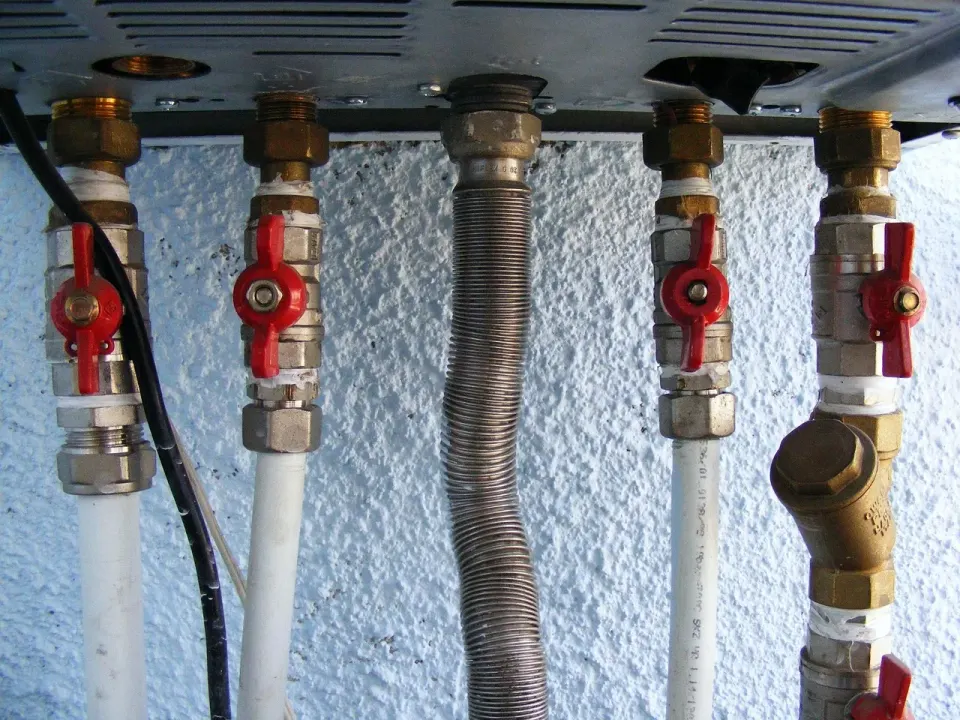
Heating oil bills are rising because the fuel itself costs far more. The EIA expects the average retail price to reach $5.26 a gallon this winter, up 34%. Global refining activity has dropped, and U.S. distillate stocks are low heading into winter.
The bill rises less than the price because the EIA expects households to burn fewer gallons. That works out to about 400 gallons per home over the season. At $5.26, a 275-gallon tank costs about $1,447 to fill. Two fills in a hard winter would cost nearly $2,900.
Oil homes are about 3% of U.S. households, but they are concentrated in the Northeast. If you heat with oil, these steps matter most:
- Ask your dealer about a fixed-price or capped-price contract before the next cold snap.
- Compare per-gallon prices from at least three local dealers.
- Join a budget plan that spreads the cost over 10 or 12 months.
- Book a burner tune-up now, since a dirty burner wastes fuel.
A boiler that has not been serviced in years is a bigger risk than a high price. Deferred repairs tend to cost more later, as our piece on why delaying home repairs costs more explains.
What Should Natural Gas and Propane Households Expect?

Natural gas and propane households should see lower bills. The EIA says homes using these two fuels, about half of all U.S. households, will spend less this winter because fuel costs are lower. Natural gas is the most widely used heating fuel in the country.
The national average for natural gas is $640, a 9% drop. The exception is the West, where a colder winter offsets lower prices and leads to a slight increase. Propane is down 3% nationally and 15% in the Northeast, where the EIA expects both lower prices and lower use.
Lower averages do not guarantee a lower bill for your home. Check three things:
- Your utility's current rate per therm or per thousand cubic feet.
- Whether your gas bill includes a fixed monthly charge that will not drop.
- Your propane contract terms, including price per gallon and delivery fees.
Propane buyers have the most room to save. Prices are often negotiable, and a prepaid or locked-in rate can protect you if a cold January pushes the market up.
Will Electric Heating Bills Rise This Winter?
Yes, electric heating bills are forecast to rise about 4% nationally. The EIA expects residential electricity prices to climb 3% and consumption to run slightly higher. More than 40% of U.S. homes heat mainly with electricity, so this is the largest group.
The West faces the steepest increase, with electricity spending forecast up 9% because of colder weather. For a home spending $1,196, a 4% rise is about $46 over the season. A 9% rise on the same bill is about $108.
Resistance heaters, such as baseboards and plug-in space heaters, use the most power per unit of heat. Heat pumps move heat rather than make it, so they use much less electricity for the same warmth. Our overview of electricity bills in 2026 and 2027 walks through how to find out which appliances drive your total.
How Can You Lower Your Heating Bill This Winter?
The fastest cut is a thermostat setback. The Department of Energy (DOE) says that setting your thermostat back 7 to 10 degrees for at least eight hours a day can save as much as 10% a year. For an oil home, that is up to $211 on the forecast bill. For a gas home, it is about $64.
Several other steps cost little and pay back quickly:
- Seal visible gaps around doors, windows and attic hatches with caulk or weatherstripping.
- Replace furnace filters every one to three months while the system runs.
- Close the damper on a fireplace you are not using.
- Keep furniture and rugs off heating vents and radiators.
Do not set the thermostat too low during a hard freeze. Cold pipes in an exterior wall can freeze and burst, and a repair bill will erase any savings. Our guide to preventing frozen pipes explains the safe minimum and what a burst pipe costs.
If your bill is a real strain, help exists. The Low Income Home Energy Assistance Program (LIHEAP) is run by states, tribes and territories with federal funding. The Administration for Children and Families explains that the federal agency does not make awards directly to households, so you apply through your state or local LIHEAP office. Apply early, because seasons and deadlines differ by state.
Should You Switch Heating Fuels Because of These Forecasts?
No, not on the strength of one winter's forecast. The EIA warns readers not to assume that switching to a fuel with lower average spending would cut their own bill. Homes that use different fuels differ in size, age and region.
A switch also means real upfront costs for equipment, installation and sometimes electrical work. Price swings reverse from year to year. A sound plan compares total cost over ten years, including the equipment and the energy. If you are replacing a failed boiler or furnace, that is the time to price a heat pump or a gas option.
Insulation is the cheaper first step. Air leaks and thin attic insulation waste heat in every fuel type, so fixing them lowers your bill whatever you burn. Energy auditors typically start with the attic floor and the rim joists in the basement, since those are the biggest leak points in older homes. A pro audit often costs a few hundred dollars, and some utilities discount or cover it.
Whatever you decide, Kenponet's editors suggest keeping your own records. Write down each month's bill and the outdoor weather. After one season you will have a baseline that beats any national average, and it will show whether a repair or upgrade actually worked.
The Bottom Line on 2026-27 Winter Heating Costs
Winter heating costs in 2026-27 split by fuel. Oil homes face the sharpest rise at about $367, electric homes see a small increase, and gas and propane homes see a small drop. Your own bill will follow the weather as much as the price.
Start with three actions this week. Look up what you paid last winter, apply the percentage for your fuel, and set that figure aside as a monthly budget. Then book a tune-up, seal the obvious leaks, and set the thermostat back overnight.
How much will it cost to heat a home this winter?
Why are heating oil prices going up in 2026-27?
Which month is the most expensive for heating?
Where can I get help paying a heating bill?


psst, there is a letter