How to Prevent Frozen Pipes This Winter, and What a Burst Pipe Costs
A single frozen pipe can release hundreds of gallons of water and a five-figure repair bill. Here is a room-by-room plan to protect your pipes before the first hard freeze.
Gus Abernathy Home Costs and Maintenance Writer
To prevent frozen pipes, insulate exposed pipes in attics, crawl spaces and exterior walls, seal drafts, keep the thermostat steady day and night, and let a faucet drip on very cold nights. State Farm's 2023 data shows the average frozen-pipe claim was just over $23,500, so an hour of prevention is cheap.
Kenponet covers what a home costs to run and keep in repair. This guide is for homeowners and renters in cold-weather states who want a short, practical checklist. It covers where pipes freeze, the cheapest fixes, what to do when you travel and what to do in the first minutes after a burst.
Why do pipes freeze and burst?
Pipes freeze when the water inside turns to ice, which expands and builds pressure between the ice and a closed faucet. State Farm says pipes can freeze and burst below 32 degrees Fahrenheit, whether they are plastic or copper. Even a small crack can release hundreds of gallons of water, the insurer notes in its winter preparation guidance.
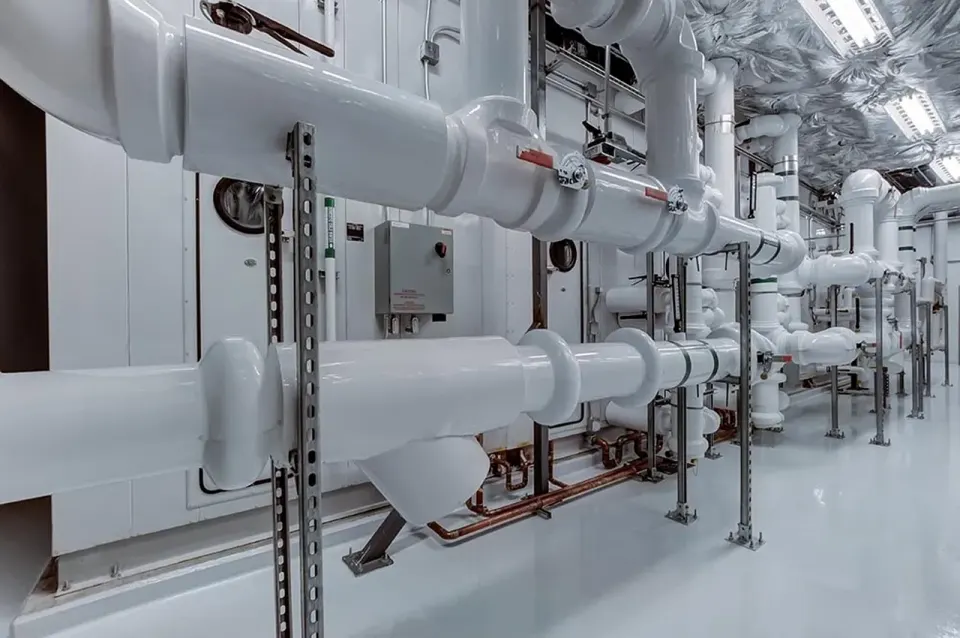
The damage is often hidden. A pipe splits during a freeze, then leaks when it thaws. You may not notice until a ceiling stains or a floor swells.
Some spots freeze more than others. Pipes in unheated attics, crawl spaces, garages and exterior walls face the most risk. Outdoor spigots and the lines that feed them are another weak point.
How much does a burst pipe cost?
A burst pipe costs thousands of dollars even when insurance pays. State Farm's 2023 claims data shows more than 17,200 frozen-pipe claims, more than $432.5 million paid and an average claim just over $23,500. That is the insurer's own figure for one company and one year.
Other sources give lower averages, because they define claims differently. Treat any single number as a ballpark. The more useful figure is the range: a small leak may cost a few hundred dollars to fix, while a pipe that floods a finished basement can run into five figures.
Insurance usually covers sudden pipe bursts but may not cover damage from neglect. A policy may deny a claim if the heat was off in a vacant house or if the homeowner ignored a known leak. If you want to understand how premiums are rising, our explainer on why homeowners insurance keeps going up covers what drives them.
Deductibles matter, too. A $2,500 deductible on a $12,000 water claim means you pay the first $2,500 yourself. A few rolls of pipe insulation cost far less than that.
Which pipes should you protect first?
Protect the pipes in unheated or exposed spaces first. The U.S. Department of Energy's building science pages advise insulating pipes with tubular sleeves, spiral wrap or taped fiberglass batts, and air-sealing the wall cavity around pipes in exterior walls. See its guidance on pipes in exterior walls.
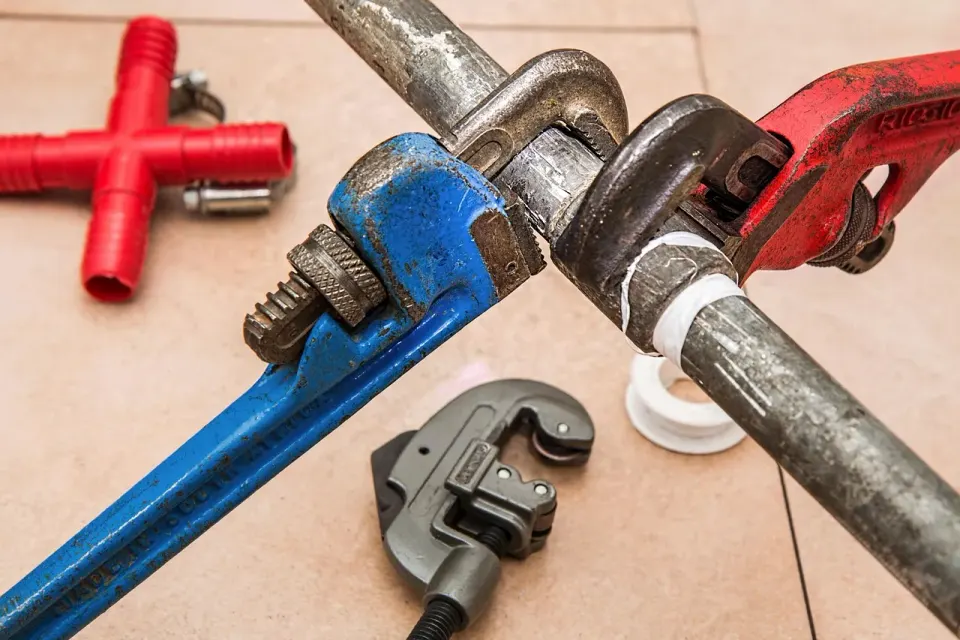
Use the list below to set your priorities.
- Attic and crawl space pipes: wrap them in foam sleeves and seal gaps around them.
- Garage and basement pipes: insulate runs near outside walls and rim joists.
- Exterior-wall pipes: insulate and add cavity insulation if you can reach the wall.
- Outdoor spigots: disconnect hoses and drain the line that feeds the faucet.
- Under-sink pipes: open cabinet doors on very cold nights.
For a pipe in a very cold spot, use heat tape or a thermostatically controlled heat cable. Follow the maker's instructions exactly, because misused heat tape can start fires. Do not overlap the tape, and replace worn cable.
What does a pipe insulation job cost?
Foam pipe sleeves cost a few dollars per six-foot piece at a hardware store, so a basic job on a typical house runs under $50. Heat cable and a thermostat kit cost more. A plumber may charge by the hour to insulate hard-to-reach runs. Our guide on why delaying home repairs costs more explains how small upkeep jobs beat large repairs.
What should you do before a hard freeze?
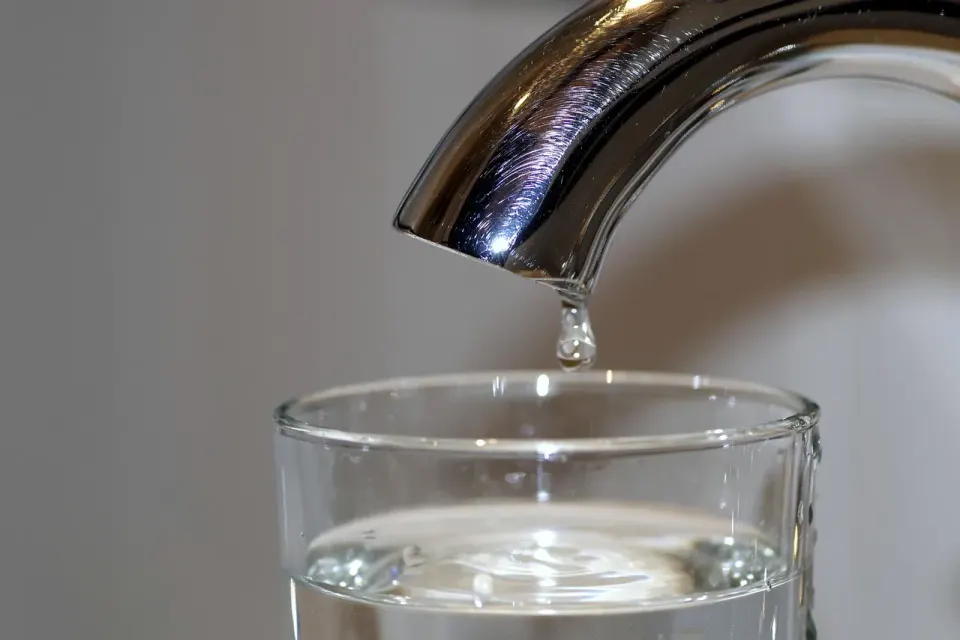
Before a hard freeze, keep the heat on, open the cabinets and let a faucet drip. State Farm advises letting warm water drip overnight from an indoor faucet on an outside wall, keeping the thermostat at a steady temperature day and night and opening cabinet doors so heat reaches uninsulated pipes under sinks.
Seal air leaks, too. Cold air coming through gaps around wiring, dryer vents and pipes can chill a pipe fast. A tube of caulk and some foam sealant handles most of them.
The federal government's Ready.gov winter weather page tells households to prepare their homes with insulation, caulking and weather stripping, and to learn how to keep pipes from freezing. Add a quick walk-through to your fall list. Our fall home safety checklist covers smoke alarms, carbon monoxide and heating, which you can do on the same day.
Do not forget the main shutoff. Find it now, label it and make sure everyone in the house can turn it. If it sticks, have a plumber replace it before winter, since you will not want to learn that during a flood.
What if you are traveling or the house will be empty?
If you are away, keep the thermostat at 55 degrees Fahrenheit or higher, and replace its battery if it has one. State Farm also advises having someone check on the home daily, and shutting off and draining the water system for longer absences. A check each day catches a leak before it becomes a flood.
Renters should tell the landlord or property manager about any planned trip in a hard freeze. Landlords are generally responsible for building plumbing. A tenant who cannot reach the landlord should document any problem with dated photos.
Seasonal homes and vacant rentals face the biggest risk. A heater that fails while no one is home can freeze every pipe in a week. Smart thermostats and water sensors that send alerts to a phone can add a layer of warning, though they need power and a wifi connection to work.
A simple weekend plan for any home
You can finish most of this in one weekend. Saturday is for the walk-through and shopping, and Sunday is for the work. Splitting it keeps the job from dragging into December.
On Saturday, walk every room that touches an exterior wall and every unheated space. Write down each bare pipe, each air leak and each outdoor faucet. Take a photo of the main shutoff and of the water meter so you can find them quickly later.
Buy supplies to match the list. You will likely need foam sleeves, duct tape or pipe-wrap tape, a tube of caulk and a can of spray foam. If you have a pipe that froze in the past, add a heat cable and a plug-in thermostat to the cart.
On Sunday, install the sleeves, seal the gaps and disconnect the garden hoses. Close any foundation vents that your local guidance says to close, and replace missing basement window panes. Finish by testing the main shutoff and showing everyone in the house how it works.
Put a reminder on the calendar for the first cold forecast. When the nights drop near freezing, open the cabinets and set the drip. After the cold snap passes, check the pipes for any signs of damage, such as damp spots or a drop in water pressure.
What should you do if a pipe freezes or bursts?
If a faucet produces no water, leave it open and call a plumber. State Farm says never to thaw a pipe with an open flame. A hair dryer can work if you use it with care, away from standing water and anything flammable.
If a pipe bursts, act in this order:
- Shut off the main water valve.
- Leave faucets open so the remaining water can drain.
- Move valuables and furniture out of the wet area.
- Take photos and video of the damage before you clean up.
- Call your insurer and a plumber, then a water-damage company if needed.
Speed matters because wet drywall and flooring can grow mold within a day or two. Run fans and open windows once the water stops, if the weather allows. Keep receipts for emergency repairs, since most insurers reimburse reasonable steps to stop further damage.
Rising winter bills often come with a freeze, too. If you plan to turn the heat up to protect pipes, see our estimate of winter heating costs for 2026-27 by fuel to budget for it.
The practical answer
Frozen pipes are cheap to prevent and expensive to repair. Kenponet's editors would start with three jobs: insulate the pipes in cold spaces, find the main shutoff and set a thermostat floor of 55 degrees. Do those before the first hard freeze, then use the faucet drip as a backup on the coldest nights.
Your next step is a 20-minute walk through the house with a flashlight. Look at the attic, garage, basement and exterior walls, note any bare pipe and buy sleeves to cover it this weekend.
What temperature do pipes freeze at?
Does letting a faucet drip really prevent frozen pipes?
How low can I set the thermostat when I travel in winter?
What should I do if a pipe bursts?
psst, there is a letter