Winter Heating Costs 2026-27: What Each Fuel Will Cost You
The EIA expects oil-heated homes to pay 21% more and gas homes 9% less this winter. Here is what each fuel costs and how to cut the bill.
Gus Abernathy Home Costs and Maintenance Writer
Winter heating costs for 2026-27 will split sharply by fuel. The Energy Information Administration expects oil-heated homes to spend $2,115 from November through March, up 21%. Natural gas homes should spend about $640, down 9%. Propane falls 3% to $1,246, and electric heat rises 4% to $1,196. Weather could move every figure.
Kenponet covers what a home really costs to run, and winter heating costs are the biggest seasonal line. This guide is for homeowners and renters who pay their own heating bill. It shows what each fuel is forecast to cost, why the numbers diverge, and which fixes are worth doing before the next cold snap.
How Much Will Winter Heating Costs Run for Each Fuel in 2026-27?
The U.S. Energy Information Administration (EIA) publishes a Winter Fuels Outlook each October. Its 2026-27 edition forecasts average household spending from November through March. Oil is the outlier at $2,115. Natural gas is the cheapest at about $640, and electricity sits near $1,196.
The table below uses the EIA Winter Fuels Outlook 2026-27. The last column is Kenponet's own back-calculation from the EIA's percentage changes, so treat it as an estimate.
| Main heating fuel | Forecast, Nov-Mar | Change vs. last winter | Implied last winter |
|---|---|---|---|
| Heating oil | $2,115 | +21% | about $1,748 |
| Propane | $1,246 | -3% | about $1,285 |
| Electricity | $1,196 | +4% | about $1,150 |
| Natural gas | $640 | -9% | about $703 |
These are national averages. The EIA warns that the figures are a broad guide to compare this winter with last winter. Your own bill depends on your house size, insulation and thermostat habits. It also depends on whether your home is heated by the fuel in the table or by a mix.
Do not switch fuels based on the table alone. The EIA notes that homes using different fuels differ in size and age, so a cheaper column does not guarantee a cheaper bill for you.
Why Is Heating Oil Up 21% While Natural Gas Falls?
Heating oil is up because global distillate fuel is tight. Refining activity worldwide has dropped, which raised import costs. Higher export demand has pulled U.S. supply out of the country, and U.S. distillate stocks are low heading into winter, which keeps prices firm.
Only about 3% of U.S. households heat mainly with oil, and most of them are in the Northeast. For them, the jump is real money. A bill of roughly $1,748 last winter becomes $2,115 this winter, a gap of about $367.
Natural gas and propane homes, which together make up about half of all households, get relief. Lower fuel prices are the reason. Propane homes in the Northeast see the largest drop, down 15%, because prices and consumption both fall.
Electric heat is the other big group, with more than 40% of homes. The EIA expects a 3% rise in residential electricity prices and slightly higher use. That adds up to the 4% increase in bills.
Should You Switch Heating Fuels Because of These Forecasts?
Usually not, and certainly not this winter. A fuel switch is a capital project, not a bill fix. It can mean a new furnace or boiler, a new gas line or electrical work, a permit, and days without a finished system.
Here is a hypothetical to test the idea. An oil household pays about $2,115 and a similar gas household pays about $640. That is a gap of $1,475 a year. If a conversion costs $8,000, the simple payback is about 5.4 years, before counting any rebate, any change in prices or the fact that your house is not average.
Prices also move. Oil is expensive this year because of a global supply squeeze, and that can reverse. If your system is near the end of its life, run the numbers on a replacement then. If it still works, a tune-up and a few draft fixes will do more for less money.
Which Regions Face the Biggest Swings in Winter Heating Costs?
The West faces the biggest swing in weather. The EIA forecast assumes a much colder winter there after an unusually warm one last year. The Northeast is expected to be warmer after a cold winter, so its heating demand should fall.
The EIA measures cold with heating degree days, which count how far the daily average temperature falls below 65°F. A 50°F day adds 15 degree days. The forecast table shows how much each region's winter differs from last year.
| Region | Forecast heating degree days | Change vs. last winter |
|---|---|---|
| Northeast | 4,331 | -12% |
| Midwest | 4,802 | -2% |
| South | 2,021 | +1% |
| West | 2,781 | +25% |
That 25% jump in the West explains why electric bills there rise 9%, the largest regional increase the EIA forecasts for electricity. Natural gas homes in the West also see a slight increase, even though gas prices are lower.
Forecasts can miss. The EIA also models winters that are 10% colder or 10% warmer than its base case, and it notes that the National Oceanic and Atmospheric Administration has flagged a strong El Niño pattern. A cold snap also raises the risk of frozen pipes, so read our guide on how to prevent frozen pipes and what a burst pipe costs before the first hard freeze.
How Can You Cut Your Heating Bill Without Freezing?
Start with the cheap fixes that reduce how much heat you buy. Lower the thermostat when you sleep or leave the house, seal obvious drafts, and keep the system clean. Each step is small. Together they can blunt a price increase.
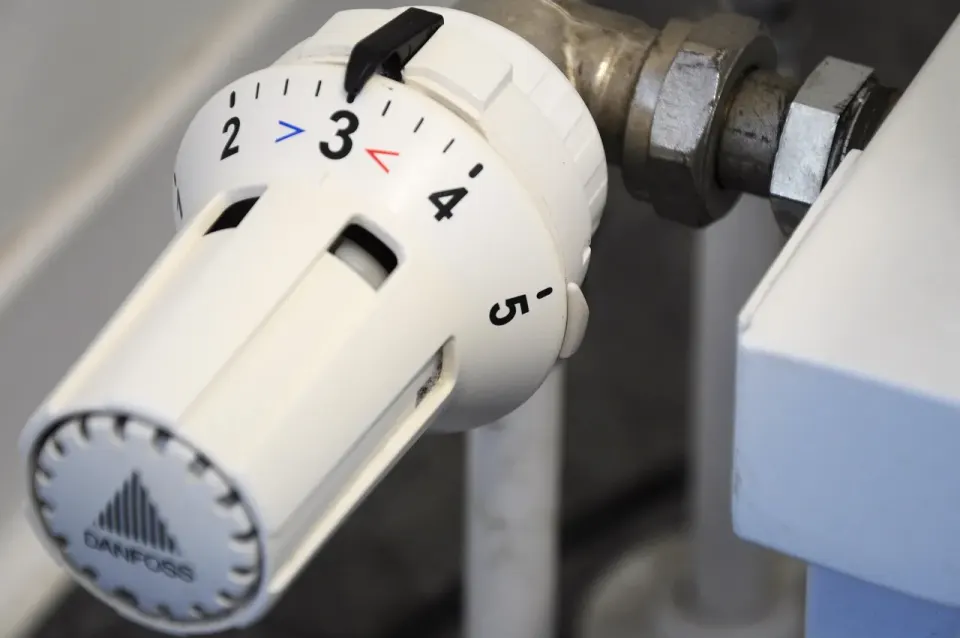
Thermostat habits matter most because heat loss rises with the gap between indoor and outdoor temperature. Lowering the setpoint a few degrees overnight means the system works less during the coldest hours. A programmable or smart thermostat makes that automatic, but a manual dial works if you use it every night.
Here is the order Kenponet's editors suggest for a home that pays its own heat:
- Set a nighttime and daytime setback on the thermostat, and stick to it.
- Replace weatherstripping and door sweeps where you can feel a draft.
- Change or clean the furnace filter every month during the heating season.
- Close the fireplace damper when it is not in use.
- Ask your utility about budget billing, which spreads the winter cost across months.
- If you use oil or propane, ask your dealer about price-lock or capped-price plans.
Drafts are easy to ignore, and they are the sort of small repair that gets pricier when put off. Our piece on why delaying home repairs costs more in 2026 shows how to put a number on that and budget for it.
One caution applies to oil and propane. Fuel delivered by truck has no budget-billing cushion unless the dealer offers one. Fill the tank in smaller, planned deliveries and keep a reserve, so a price spike does not catch you with an empty tank.
What Should a Fall Furnace Check Include?
A fall furnace check should test the safety and efficiency of the whole heating system. ENERGY STAR, the federal efficiency program, recommends that a contractor do a pre-season check-up on the heating system each fall. It is best to book before the winter rush.
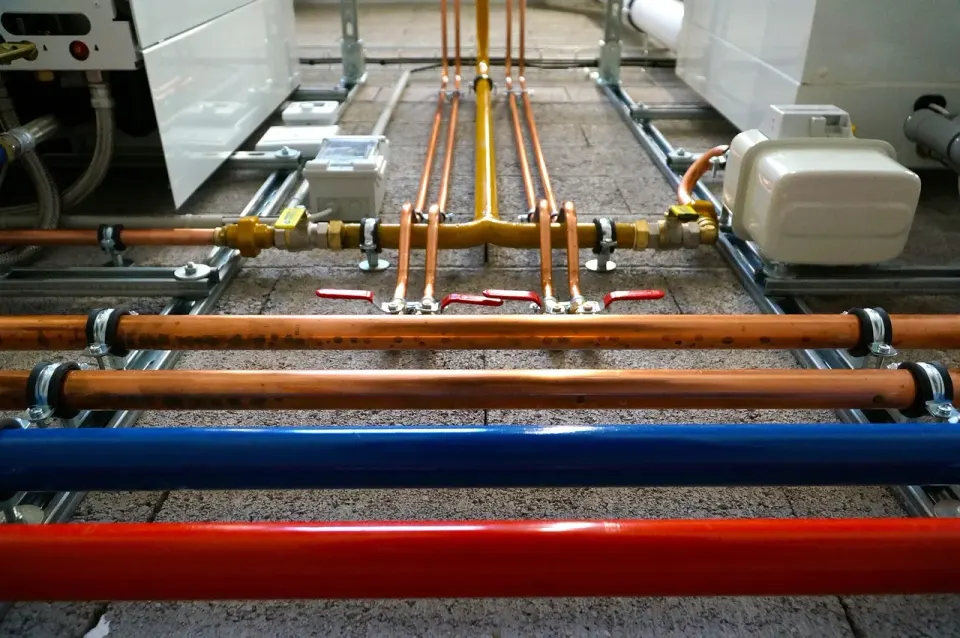
The ENERGY STAR maintenance checklist lists what a typical visit should cover. It starts with the thermostat settings and electrical connections, then moves on to moving parts and controls. For gas or oil systems, the technician also checks the connections, gas pressure, burner combustion and heat exchanger.
The same checklist explains why this matters. A dirty burner or cracked heat exchanger can make the equipment run less safely and less efficiently. A plugged condensate drain can cause water damage. Airflow problems can cut a system's efficiency by up to 15%.
It is mid-November, so call this week if you have not booked. The monthly job is yours: inspect and change the air filter. ENERGY STAR says a dirty filter raises energy costs and can shorten the life of the equipment.
Where Can You Get Help Paying for Heat?
The main federal source is the Low Income Home Energy Assistance Program (LIHEAP). States run it, so rules and dates differ. Pennsylvania's Department of Human Services LIHEAP page shows how one state does it. Its 2026-27 season runs November 2, 2026 through April 23, 2027.
Utilities often run their own hardship funds, payment plans and winter shutoff protections. Call before you miss a bill, not after, and ask whether weatherization help is available too.
Check your own state's energy assistance office for income limits and application dates. Many programs ask for recent energy bills and proof of household income. Gather those before you apply.
Renters should first check the lease. If heat is included, your landlord carries the fuel risk. If you pay separately, factor it into the rent math. Our look at renting versus buying in fall 2026 covers how running costs change that comparison.
What to Do Before the Next Cold Snap
Winter heating costs depend on your fuel more than your ZIP code this year. Oil households should plan for roughly $367 more than last winter on average. Gas and propane households have some breathing room, and electric households should expect a modest rise.
This week, book the furnace check, change the filter and fix the worst draft. Then look at the bigger monthly picture. Owners who want to trim fixed costs can also review mortgage insurance, as in our guide to how to cancel PMI in 2026. A few hours of work now is cheaper than a surprise bill in January.
How much will it cost to heat a home this winter?
Why is heating oil going up so much in 2026-27?
Is it worth switching from oil to natural gas?
How often should I change my furnace filter?

psst, there is a letter