Electricity Bills in 2026 and 2027: What EIA Expects and How to Cut Yours
Federal forecasters expect the average residential rate to hit 18.2 cents per kilowatt-hour this year and 18.7 next year. Here is what that means for your bill.
Gus Abernathy Home Costs and Maintenance Writer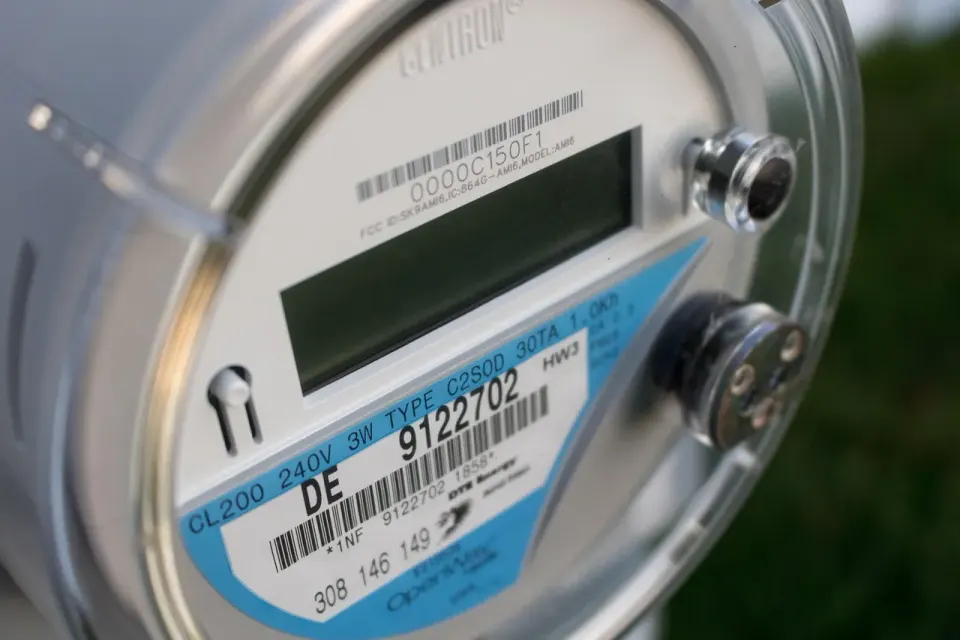
The US Energy Information Administration (EIA) expects the average residential electricity price to reach 18.2 cents per kilowatt-hour in 2026 and 18.7 cents in 2027, up from 17.3 cents in 2025. For a home using about 899 kWh a month, that is roughly $8 more per month this year than last year.
This explainer is for renters who pay their own power bill and owners who want to plan their budget. Kenponet covers what a home really costs each month and year beyond the rent or mortgage, and electricity is one of the biggest line items. Below you will find the forecast, the math on a typical bill and a short list of changes that actually move the number.
What Does the EIA Expect for Electricity Prices?
EIA's October 2026 Short-Term Energy Outlook projects residential prices of 18.2 cents per kWh in 2026, about 5 percent above 2025, and 18.7 cents in 2027, about 3 percent above 2026. EIA's electricity forecast page was published October 6, 2026. It lists the 2024 average at 16.5 cents and 2025 at 17.3 cents.
Several forces explain the climb. EIA points to natural gas prices and weather, and it cites winter storm Fern and hot July temperatures as price spikes this year. Residential prices also reflect spending on transmission and distribution upgrades and, in some regions, capacity market auction prices.
Wholesale prices are only one piece. EIA forecasts wholesale power at $52 per megawatt-hour across 11 hubs in 2026, 11 percent above 2025. Your bill adds the cost of delivering that power on top.
How Much Does That Add to a Monthly Bill?
For a typical home, the forecast adds roughly $8 a month in 2026 and about $5 more in 2027. EIA's consumer FAQ says the average US residential customer used 10,791 kWh in 2022, or about 899 kWh per month. Multiplying that by each year's price gives the table below.
| Year | Price per kWh | Monthly bill | Yearly bill |
|---|---|---|---|
| 2025 | 17.3 cents | $155.53 | $1,867 |
| 2026 (forecast) | 18.2 cents | $163.62 | $1,964 |
| 2027 (forecast) | 18.7 cents | $168.11 | $2,018 |
That table is an illustration. EIA's FAQ on home electricity use notes the 899 kWh figure is an average of purchases in 2022, and your own usage will differ. A small apartment may use half that. A large house with electric heat may use several times more.
Prices also vary by place. The national average hides big differences between utilities and states, so check the rate printed on your own bill before you trust any average.
Why Did Summer 2026 Matter So Much?
Summer 2026 mattered because heat raises both use and prices at the same moment. EIA reports that third-quarter 2026 electricity sales rose 4 percent from a year earlier, with residential sales up 6 percent because of a hot summer. Everyone ran air conditioners more.
When demand peaks, the grid leans on costlier power plants. That feeds into wholesale prices, and eventually into rates. Your own bill went up twice, once for using more and once for each unit costing more.
EIA expects residential consumption to stay roughly flat from 2026 levels. That means the price, not usage, drives next year's increase.
How Do You Read Your Own Electric Bill?
Your bill shows three things that matter: kilowatt-hours used, the price per kWh and the fixed charges. Divide the total by the kWh to get your real all-in rate. That number is higher than the "energy charge" line, because it folds in delivery fees and taxes.
Compare that all-in rate with the national figures above. If yours is far higher, you are in a high-cost area and the percent savings from any fix will matter more. If it is lower, your bill has less room to fall.
Look at the usage history chart too. Most bills show the last twelve months. A winter or summer spike tells you whether heating or cooling is your problem, which tells you where to spend your effort.
Do Rate Plans Change the Math?
They can. Some utilities charge more during late-afternoon and evening hours and less overnight, which is called time-of-use pricing. If you run the dishwasher, laundry or an electric car charger overnight, a plan like that can cut your bill without cutting your use.
Other utilities use tiered rates, where each extra block of kWh costs more. In that case, the last kWh you use is the most expensive one, and trimming a little use saves more than the average rate suggests.
Ask your utility what plans are available and whether switching costs anything. Some plans suit households that are out all day. Others punish them. Read the fine print, and check the plan again after a month to see whether the bill actually dropped.
Budget billing is another option. It averages your cost across the year so winter and summer spikes do not land as a shock. It does not lower the total, but it can make a tight month easier to survive.
Where Does Your Electricity Actually Go?
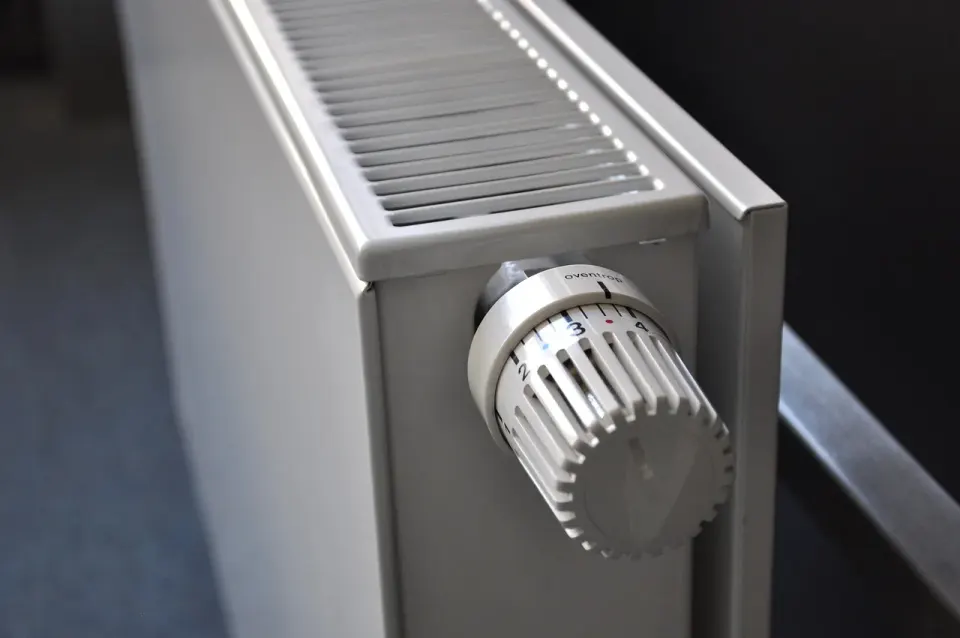
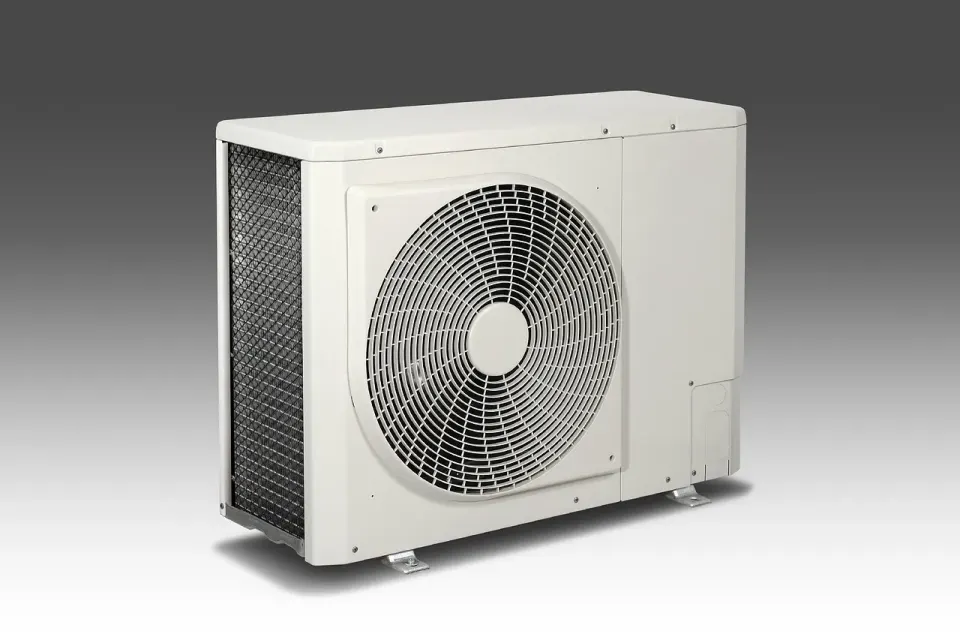
For most homes, heating and cooling are the biggest users. ENERGY STAR, the federal efficiency program, says that as much as half of all household energy use goes toward heating and cooling. Water heating, appliances and lighting split most of the rest.
That is why the biggest savings usually come from the thermostat and the building shell, not from unplugging a phone charger. A drafty window costs more than a hundred idle chargers.

If you heat with electricity, winter is the hard season. Our guide to winter heating costs for 2026-27 by fuel compares electric heat against gas, oil and propane so you can see where you stand.
What Cheap Steps Cut an Electric Bill?
The cheapest steps are the ones that take an hour or less. Start with the thermostat, then move to sealing leaks, then lighting. Each one trims a slice of the heating and cooling share, or the rest of the bill.
Use this list, ordered from easiest to most involved.
- Set the thermostat back several degrees when you sleep or are away.
- Replace the bulbs you use most with LEDs.
- Seal gaps around doors, windows and outlets on exterior walls.
- Set the water heater to a moderate temperature and insulate exposed pipes.
- Run the dishwasher and laundry full, and air-dry when you can.
- Clean or replace HVAC filters on schedule.
ENERGY STAR says sealing and insulating is often the most cost-effective way to improve efficiency and comfort. For a renter, ask your landlord first before caulking or adding weatherstripping that changes the unit. Removable window film and draft stoppers need no permission.
Is It Worth Fixing Things Before Winter?
Yes, because small repairs that block heat loss pay back every month all winter. A window that leaks, a door sweep that is worn through or a duct that has come loose all waste heat you paid for. We explained the cost of waiting in why delaying home repairs costs more in 2026.
The same logic applies to the coming weather. If your region expects a harsher season, preparing your home for an El Niño winter is a good time to check insulation, filters and heating equipment together.
Big upgrades cost more but may qualify for help. Heat pumps and efficient appliances often come with rebates or tax credits, so look up what applies to you before you buy.
What If You Cannot Afford the Bill?
If a bill is out of reach, ask for help early, before you fall behind. Call your utility and ask about budget billing, payment plans and hardship programs. Many utilities offer them, and they are easier to get before a shutoff notice than after one.
Federal help exists too. The Low Income Home Energy Assistance Program (LIHEAP), run by the US Department of Health and Human Services, helps eligible households with heating and cooling costs, and its program page explains how to apply through your state. Funds can run out, so apply as soon as you are eligible.

Renters should also check the lease. Some leases include utilities, and some cap what a landlord can charge for submetered power. Know which one you have before you assume a rate hike is yours to absorb.
Conclusion
The EIA expects electricity to cost 18.2 cents per kWh in 2026 and 18.7 cents in 2027, which turns a typical bill from about $156 to about $168 over two years. The increase is modest in a single month and real over a year.
Kenponet will keep tracking home costs as new federal forecasts arrive. Start with your own bill, find your rate and usage, then pick two cheap steps from the list. Those two steps usually cover more of the increase than you would expect.
How much will electricity cost per kWh in 2026 and 2027?
How many kWh does an average US home use per month?
Why are electricity bills rising in 2026?
What is the fastest way to lower my electric bill?


psst, there is a letter