Weatherization Assistance Program 2026: How to Apply for Free Home Energy Upgrades This Winter
WAP pays for insulation, air sealing and safety checks for income-eligible homeowners and renters. Here is who qualifies and how to apply.
Gus Abernathy Home Costs and Maintenance Writer
The Weatherization Assistance Program (WAP) is a Department of Energy program that pays for insulation, air sealing and safety fixes in low-income homes. Homeowners and renters can both apply through a local provider. Households at or below 200% of the federal poverty guidelines qualify, and the national average savings is $372 a year.
Winter bills are coming, and most people know about LIHEAP bill help but not about the program that cuts the bill itself. This guide is for homeowners, renters and small landlords who want to lower heating costs for good. It covers who qualifies, what the work includes, how to apply and what to do while you wait. Kenponet puts numbers on the cost of a home, and this program is one of the few that pays for itself.
What the Weatherization Assistance Program pays for
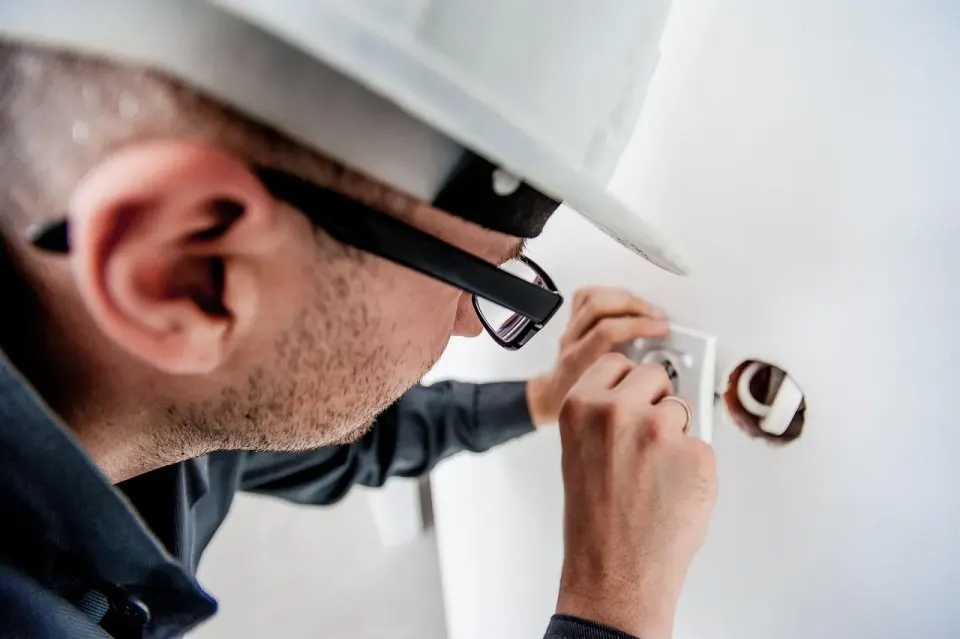
The Department of Energy says WAP lowers energy costs for low-income households by making homes more energy efficient while protecting health and safety. Since 1976 it has served more than 7.2 million families, and a national evaluation found savings of $372 or more per year on average, according to the program's overview page.
The work starts with an audit. An energy auditor visits the home, runs a blower-door test to measure air leaks, and checks for efficiency and health and safety problems. The auditor then recommends cost-effective improvements. Typical work includes sealing leaks, adding insulation and checking heating equipment, though the exact list depends on what the audit finds.
An inspector checks the finished work against standard specifications and confirms that equipment runs safely. That final step matters, because a bad combustion appliance in a tightly sealed home can cause carbon monoxide problems.
Funding is steady for now. Utility Dive reported that WAP received a modest increase for fiscal 2026, with a budget of $329 million and an average subsidy of about $6,500 per housing unit, in its February 2026 report. A bill to expand the program had not reached a House floor vote at that time.
Who qualifies for weatherization help?
Income is the main test. The Department of Energy says households at or below 200% of the federal poverty income guidelines qualify, and so do people who receive Supplemental Security Income. A state may instead use the LIHEAP threshold of 60% of state median income, so your state's rule decides.
Priority goes to older adults, families with a member who has a disability, families with children, high-energy users and households with a high energy burden. That means a home that spends a large share of income on energy moves up the list.
Because the rules vary, call your local provider before you assume you do not qualify. A household that is over the limit for one program may still fit another state option or a utility efficiency program.
How to apply for WAP, step by step

The Department of Energy lays out four steps on its how-to-apply page. Follow them in order, and keep copies of what you send.
- Check your income against the 200% poverty guideline or your state's rule.
- Find your local provider on your state weatherization administrator's website, which usually lists providers by county.
- Contact the provider and send proof of prior-year income, such as pay stubs or Social Security statements.
- Join the waitlist and wait for the audit appointment.
Some states offer an online application. Others take phone calls or paper forms. Ask for the expected wait time, since it can run from weeks to many months depending on funding and demand.
Gather your paperwork before you call. You will need photo ID, proof of income for everyone in the household, a recent utility bill and, if you rent, the landlord's name and contact information. Having these ready shortens the first call.
Can renters get weatherization work done?
Yes. Renters can apply, but the provider must work with the landlord to get permission before any work begins. Ask your landlord early, and explain that the upgrades are free and improve the building. A landlord who says yes also gets a more efficient property at no cost.
Small landlords should know the program can help their tenants and their buildings. Some providers require the landlord to agree not to raise rent because of the work, or to keep the unit affordable for a set time. Ask the provider for its terms in writing before you sign.
If you own the property but live elsewhere, you can still support your tenant's application. Our guide to FY2027 fair market rents for voucher landlords covers another program where landlord cooperation matters.
What to do while you wait for an appointment
Waitlists are real, so start with low-cost steps. Weatherstrip the doors and windows you use most, replace the furnace filter, and set the thermostat a few degrees lower at night. Each step can trim a bill by a small amount.
Next, apply for bill help if you need it. Our walkthrough on applying for LIHEAP heating assistance in 2026-27 explains how to get cash help with the bill itself. LIHEAP and WAP answer different problems: one pays the bill, the other lowers it.
Check what winter will cost you too. Our guide to winter heating costs by fuel for 2026-27 gives a baseline, so you can see how much a cut of 10% or 15% would save in dollars. Putting a number on it makes the waiting easier to plan.
Do not skip safety. Test smoke and carbon monoxide alarms now, and keep vents and flues clear. The weatherization audit will check combustion appliances, but you should not wait for it before you test your own alarms.
What the audit day looks like
Plan for a few hours at home. The auditor walks every room, looks at the attic, basement or crawl space, and checks the furnace or boiler, water heater and any gas appliances. A blower-door test pulls air out of the house to show where outside air leaks in.
Bring your recent utility bills and note the rooms that stay cold. That gives the auditor a place to start. Clear access to the attic hatch and the mechanical room saves time, and moving boxes ahead of the visit avoids delays.
After the audit, the provider schedules a crew. The work can take one day or several, depending on the scope. You may be asked to stay out of one room while insulation is installed, but you do not have to move out.
When the job is done, an inspector returns to check it. Ask for a copy of the final report. It lists what was installed and can help you spot any later problems, and a record of upgrades is useful if you sell the home.
Common reasons applications stall
Most delays come from paperwork. Missing income proof for one household member, an expired ID or an unsigned landlord form can push you back in the line. Check each document before you send it, and keep copies.
The second cause is a home that needs repairs before it can be weatherized. Active roof leaks, moisture problems and some electrical hazards may need to be fixed first. Providers have a limited repair budget, so they may defer a home that needs more than it can cover.
Ask the provider what would disqualify your home and whether a deferral is temporary. If your house needs a roof repair first, plan that job now so you are ready when your name comes up.
What if you do not qualify?
If your income is above the limit, you still have options. Many utilities run their own audits and rebates, and some states fund efficiency work for moderate-income households. Ask your utility for a free or low-cost home energy assessment.
Federal tax rules also changed, so check what still applies before you buy equipment. Our post on home energy rebates for heat pumps in 2026 lists the programs that are open and how to claim them.
For a quick job you can do yourself, rank repairs by cost and payback. Air sealing and attic insulation usually pay back faster than new windows. Our guide to why delaying home repairs costs more in 2026 shows how to set aside a budget so these small jobs do not wait.
How much can weatherization save?
The Department of Energy's national evaluation puts average savings at $372 or more per year. On an average subsidy near $6,500 per home, that is a long payback for the program, but for the household the work is free. As an illustration, a 10% cut on a $1,500 heating bill is $150 a year, and a larger cut is possible in a leaky home.
Savings depend on the home. A drafty older house with little attic insulation gains the most. A tight newer home gains less. The audit will show where your heat is leaking and which fixes are worth doing first.
Comfort matters as well as cost. Sealing drafts and adding insulation makes rooms warmer in winter, and the same work often helps in summer. Many households report that the cold rooms finally stay warm.
Conclusion
The Weatherization Assistance Program is free for income-eligible households, open to renters and owners, and funded again for fiscal 2026. The only real cost is time on a waitlist, which is why now is the time to apply. Check your income, find your local provider and send your paperwork this week.
Your next step is to search for your state weatherization administrator and call the provider that serves your county. Kenponet will keep following the programs that lower what a home costs to run, so you can plan for each season ahead of time.
Who qualifies for the Weatherization Assistance Program?
Can renters apply for weatherization help?
How do I apply for the Weatherization Assistance Program?
How much can weatherization save on energy bills?


psst, there is a letter