Winter Heating Costs 2026-27: What You Can Expect to Pay by Fuel
Natural gas and propane homes should spend a little less this winter. Heating oil homes are looking at a much bigger bill. Here is the forecast and what to do about it.
Gus Abernathy Home Costs and Maintenance Writer
Winter heating costs for 2026-27 depend on your fuel. The U.S. Energy Information Administration expects natural gas homes to spend about $640 from November through March, down 9%. Electric homes should spend about $1,196, up 4%. Propane homes are forecast at $1,246, down 3%. Heating oil homes face about $2,115, up 21%.
That is a mixed forecast, and the average hides big regional swings. This explainer is for homeowners and renters who pay their own heating bills and want to know what to budget for this winter. It covers the numbers by fuel and region, why heating oil is the outlier, and the handful of fixes that actually move a heating bill. At Kenponet, we cover what it costs to run a home.
Winter Heating Costs by Fuel This Year
The numbers come from the EIA’s Winter Fuels Outlook for 2026-27, published October 6, 2026. The EIA forecasts household spending for the five coldest months, November through March. The table below summarizes its U.S. averages.
| Main heating fuel | Forecast spending, Nov to Mar | Change from last winter | What is driving it |
|---|---|---|---|
| Natural gas | $640 | -9% | Lower prices |
| Electricity | $1,196 | +4% | Prices up about 3% |
| Propane | $1,246 | -3% | Lower prices |
| Heating oil | $2,115 | +21% | Prices up about 34% |
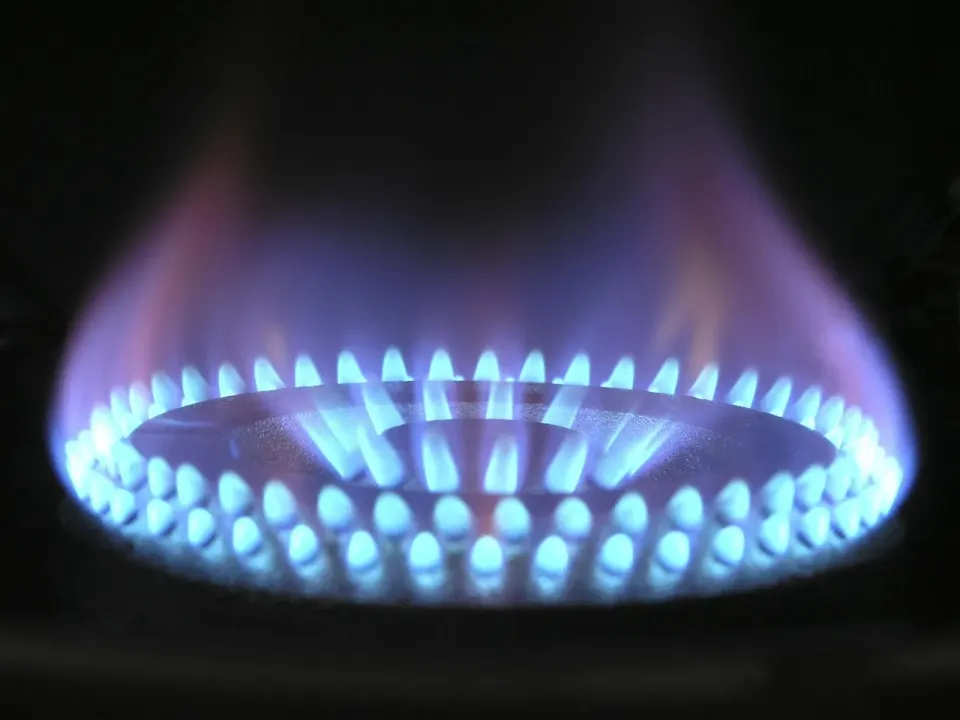
Natural gas is the most common fuel. The EIA, citing Census Bureau survey data, says it was the main heating fuel in 46% of US homes in 2024. Together with propane, it covers about half of all US households, and those homes should see lower bills this winter.
Electricity is the other big group. The EIA puts it at more than 40% of homes, mostly in the South. Average residential electricity prices are forecast at about 18.2 cents per kilowatt-hour this winter, up 3%. Slightly higher use pushes the total bill up about 4%.
Why Heating Oil Is the Outlier
Heating oil homes are a small group, about 3% of households, but they face the biggest increase. The EIA forecasts an average price of $5.26 a gallon this winter, up 34% from last year. Lower consumption softens that a little, leaving total spending about 21% higher.
The EIA ties the jump to global supply. Worldwide production of distillate fuel, which includes heating oil, has dropped because of reduced refining activity. That has raised import costs and pulled more US fuel into exports, leaving stocks low heading into winter.

Most heating oil homes are in the Northeast. If you are one of them, this is the winter to get a price quote early, ask about budget billing and fix any drafts before the first cold snap. Locking in a price before November is one way to keep the bill from wrecking January.
How Much Will Your Region Pay?
Your region can matter as much as your fuel. For natural gas, the EIA expects spending to fall about 14% in the Northeast, 10% in the Midwest and 15% in the South. The West is the exception, with gas spending up about 7% because the EIA expects a colder winter there.
The same pattern shows up in electricity. Electric heating bills in the West are forecast to rise about 9%, the largest increase of any region. The Northeast is expected to see a 3% drop, while the Midwest and South rise about 3%.
For propane, the Northeast looks best. Lower prices and lower use push expected spending down about 15% there. The Midwest is forecast to drop about 4%, and the South to stay flat.
Weather is the wild card. The EIA notes that a strong El Niño pattern this winter could cause large swings from its forecast. A colder-than-expected January can erase a forecast saving in a few weeks.
Does a Thermostat Setback Still Pay Off?
Yes, for most homes with a furnace or boiler. The Maryland Energy Administration, repeating federal guidance, says you can save as much as 10% a year on heating and cooling by turning the thermostat back 7 to 10 degrees for eight hours a day. Overnight or while you are at work are the easy windows.

On a $1,246 propane winter, 10% is about $125. On a $2,115 heating oil winter, it is over $200. Those are real numbers for a change that takes five minutes to program.
Heat pumps are the exception. The same Maryland guidance says setback programming is generally not recommended for them. A big setback can trigger backup electric resistance heat when the system tries to recover, which costs more than the setback saved. If you have a heat pump, keep the setting steady or use only a small setback.
Cheap Fixes That Lower a Heating Bill
The cheapest fixes are the boring ones. ENERGY STAR’s heating and cooling guidance says to check your furnace filter every month and change it at least every three months. A clogged filter makes the system work harder for the same heat. The fall home safety checklist covers heating checks too.
Ducts are the next target. ENERGY STAR says sealing ducts can improve heating and cooling efficiency by as much as 20%. Leaky ducts running through an attic, crawl space or garage are heating the outdoors.
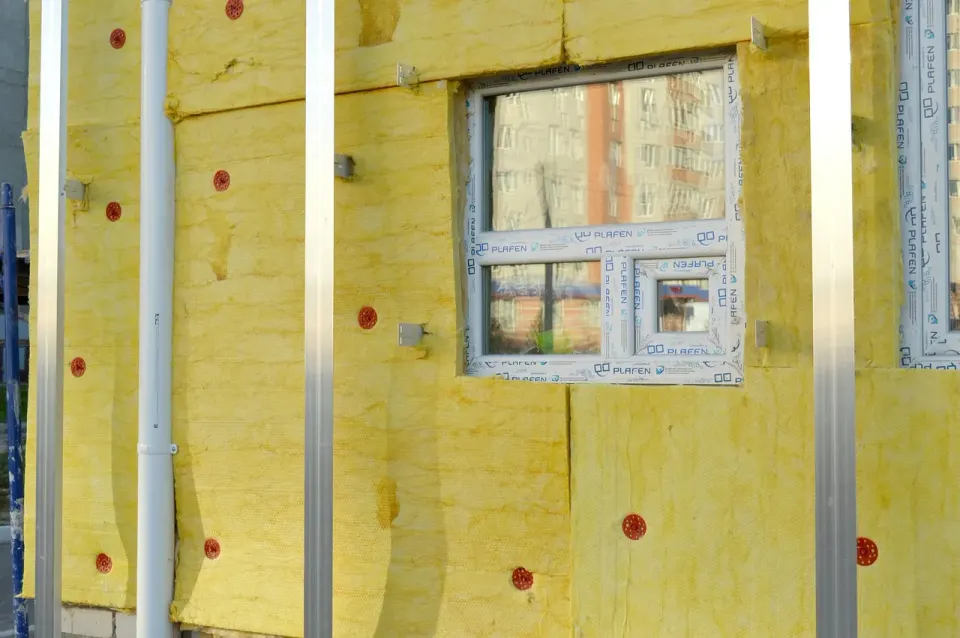
Air sealing the house itself is the other big win. The list below covers the leaks most often found in home energy audits.
- Gaps around attic hatches and recessed lights.
- Rim joists in basements, where the house sits on the foundation.
- Plumbing and wiring holes under sinks and behind appliances.
- Old weatherstripping on exterior doors.
- Unused fireplaces with the damper left open.
ENERGY STAR estimates that sealing and insulating a home can save up to 10% on annual energy bills. A tube of caulk, some foam and a weekend usually cover the worst of it. Attic insulation is a bigger job, but often the best long-term payback in an older house.
Budget Billing, Price Caps and Help Paying
A forecast is only useful if it changes how you pay. Most gas and electric utilities offer budget or level billing, which spreads your expected yearly cost into equal monthly payments. You still pay the same total, but January stops being a shock. Kenponet keeps returning to bills owners and renters can control.
Oil and propane suppliers sell price plans instead. The list below covers the three common types and who each one suits.
- Fixed price: you pay one per-gallon rate all season. Best when prices are rising, as they are for heating oil this year.
- Capped price: you pay the market rate, but never above a ceiling. You usually pay a fee for the cap.
- Pre-buy: you pay for a set number of gallons upfront. You lose flexibility if you use less than you bought.
Read the fine print on each one. Some plans charge a cancellation fee or require automatic delivery, and pre-buy gallons may not carry over to next winter.
If the bill is genuinely out of reach, ask for help early. The federal Low Income Home Energy Assistance Program (LIHEAP) funds state programs that help eligible households with heating costs, and many utilities run hardship funds of their own. Applications often open in the fall and can run out of money by midwinter, so do not wait for a shutoff notice. Heating is not the only rising cost; see why homeowners insurance keeps going up.
What Renters Should Check
Renters who pay their own heat face the same forecast with fewer levers. You cannot replace the furnace or insulate the attic. But you can ask your landlord to fix what is clearly theirs to fix.
Start with the easy requests. Ask for a new furnace filter if you do not have access to change it, weatherstripping on drafty doors and repair of any window that will not close properly. Put each request in writing and keep a copy, which also helps when getting your security deposit back at move-out. A polite email with photos tends to work better than a phone call for drafty windows.
If heat is included in your rent, the forecast is your landlord’s problem this year. Still, expect higher oil costs to show up in future rent conversations in older buildings that heat with oil.
What to Do Before the First Cold Snap
Start by finding your heating fuel on this year’s forecast, then budget for it. If you heat with oil or propane, get a delivery price quote and ask about budget billing or a price cap. If you heat with gas or electricity, check whether your utility offers level billing to spread the winter cost across the year.
Then do the cheap fixes: a new filter, a programmed setback if you have a furnace and an afternoon of caulking. A furnace that has not been serviced in a few years should get a tune-up before it is needed. Our maintenance guides cover the rest of a fall checklist, and our guides to owning a home cover the other running costs.
Forecast figures from the EIA Winter Fuels Outlook, published October 6, 2026. Actual bills depend on weather, home size and local prices.
Will heating bills be higher this winter?
How much does the average household spend on heating in winter?
Does turning down the thermostat at night really save money?
Should I lock in a heating oil or propane price now?


psst, there is a letter