Fall Home Safety Checklist: Smoke Alarms, Carbon Monoxide, Heating and Radon
Four checks, one weekend. The safety jobs worth doing before you switch the heat on for the season, and how often each one needs repeating.
Gus Abernathy Home Costs and Maintenance Writer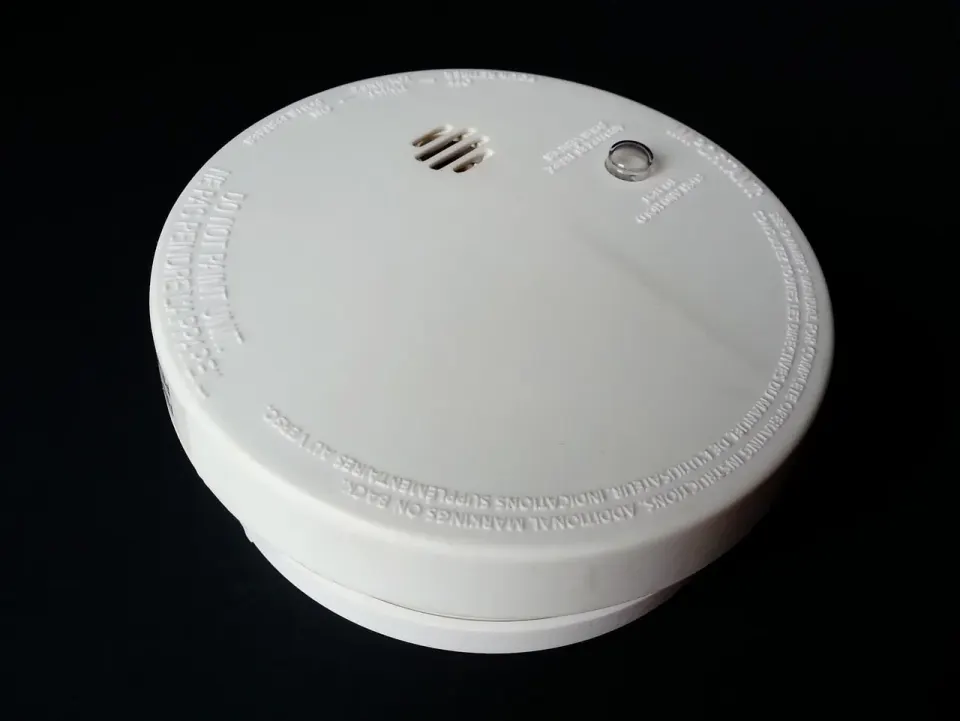
A fall home safety checklist has four jobs: test every smoke alarm, install and test carbon monoxide alarms, get your heating system inspected and test for radon. Smoke and CO alarms need monthly tests. Heating needs a yearly inspection. Radon needs a test at least once. Doing all four takes about a weekend.
Fall is when homes switch from open windows to sealed-up heat, and that is when the risks change. Furnaces fire up after months idle. Space heaters come out of closets. Fresh air drops, so anything leaking indoors builds up. This checklist is for homeowners and renters who want to cover the safety basics before winter, with the official recommendations and the details people tend to skip. At Kenponet, we cover everything about the place you live in, and safety checks are part of it.
Step 1: Test and Replace Smoke Alarms
Smoke alarms are the cheapest safety device in a house and the easiest to neglect. The U.S. Fire Administration (USFA) says in its smoke alarm guidance to test each alarm monthly and replace batteries at least once a year. It also says a smoke alarm with a dead or missing battery is the same as having no alarm at all.
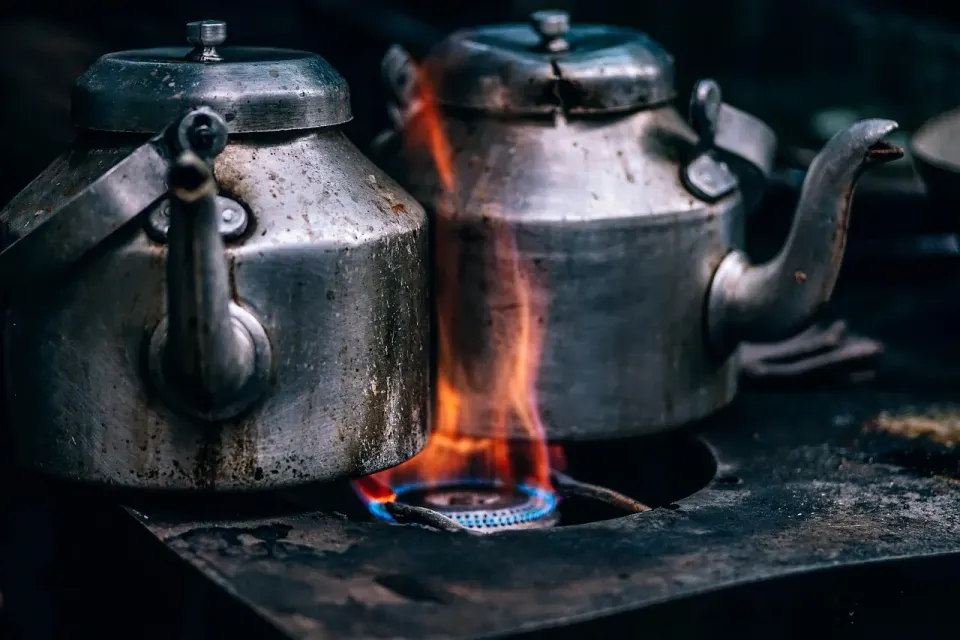
Age matters as much as batteries. The USFA recommends replacing smoke alarms 10 years from the manufacture date, which is printed on the back. Twist one off the ceiling and check. Alarms from the 1990s are often still on the ceiling and still beeping on test, long past their working life.
Placement is the other gap. The USFA says to put alarms in every bedroom, outside each sleeping area and on every level of the home, including the basement. Many older houses have one alarm in a hallway and nothing else.
The steps below cover a full smoke alarm check.
- Press the test button on every alarm and listen for a loud tone.
- Check the manufacture date on the back of each unit.
- Replace any alarm 10 years old or older.
- Change replaceable batteries, even if they still test fine.
- Add alarms anywhere a bedroom or level is not covered.
Step 2: Cover Every Level With Carbon Monoxide Alarms
Carbon monoxide (CO) is a colorless, odorless gas produced when fuel burns. Furnaces, boilers, water heaters, gas stoves, fireplaces and running cars all produce it. In a sealed winter house, a small leak can build up quickly. A CO alarm is the only reliable way to know.
The numbers are sobering. The USFA’s carbon monoxide safety page, citing the Consumer Product Safety Commission, says more than 150 people in the United States die every year from accidental CO poisoning not related to fires. Most of those deaths are preventable.

The USFA recommends a CO alarm outside each sleeping area and on every level of the home. Combination smoke and CO alarms are fine and save ceiling space. Test them monthly, the same day you test your smoke alarms, so neither gets forgotten.
Generators deserve a special warning, because fall storms bring power outages. Run a portable generator outdoors only, well away from doors, windows and vents. Never run one in a garage, even with the door open. The same rule applies to grills and camp stoves, which should never be used indoors for heat.
Step 3: Get the Heating System Inspected
Heating equipment is a leading cause of home fires in winter. The USFA’s heating fire data estimates there were 32,200 home heating fires in 2021. They caused 190 deaths, 625 injuries and $442 million in property loss.
A yearly inspection is the fix the experts agree on. Have a qualified technician check your furnace or boiler, flue and chimney once a year, ideally before the first cold week when everyone else calls. A good inspection covers the heat exchanger, burners, venting, gas connections and the filter.
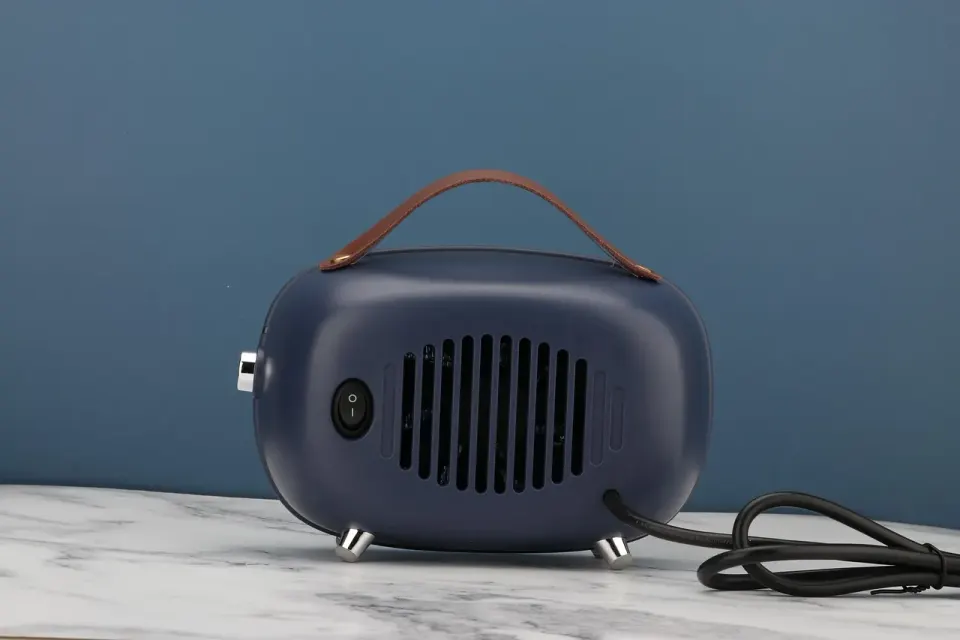
Space heaters need the most care. The USFA found that portable heaters were involved in only 3% of home heating fires but 41% of the fatal ones, based on 2017 to 2019 data. Keep anything that can burn at least 3 feet away from any heater, plug heaters straight into the wall and turn them off when you leave the room or go to bed.
Fireplaces count too. A wood-burning chimney should be inspected and cleaned as needed each year, because creosote buildup is what turns a cozy fire into a chimney fire. Use a metal or glass screen, and let ashes cool fully in a metal container outside before disposal.
Step 4: Test Your Home for Radon
Radon is a naturally occurring radioactive gas that seeps up from the ground into homes. You cannot see, smell or taste it. The Environmental Protection Agency (EPA) estimates it causes about 21,000 lung cancer deaths in the United States each year, making it the leading cause of lung cancer among people who have never smoked.
The only way to know your level is to test. The EPA’s radon action level guidance recommends fixing your home if it tests at 4 picocuries per liter (pCi/L) or higher. It suggests considering a fix between 2 and 4 pCi/L. The average indoor level is about 1.3 pCi/L.
Fall and winter are good months to test. Windows stay closed, which gives a realistic reading of what you breathe for much of the year. Short-term test kits are sold in hardware stores and online, and some states offer them free or at a discount.
A high reading is fixable. Radon mitigation usually means a vent pipe and fan that pull gas from under the foundation and send it outside. Use a contractor certified by your state or a national radon program, and retest afterward to confirm the system works. Kenponet's focus is practical home safety steps that renters and owners can act on.
Two Extra Checks Worth Adding
Two smaller jobs fit into the same weekend and close common gaps. Neither takes more than an hour, and both cost little or nothing.
The first is the clothes dryer vent. Lint builds up inside the vent duct over time, restricting airflow and creating a fire risk. Clean the lint screen after every load. Once a year, disconnect the duct, clear it with a vent brush and check that the outside flap opens freely when the dryer runs. If drying times have crept up, a clogged vent is the usual cause.
The second is a fire extinguisher. Keep one in the kitchen, mounted near an exit rather than over the stove, and one on each level if you can. A multipurpose extinguisher rated for ordinary combustibles, flammable liquids and electrical fires covers most home needs. Check the pressure gauge each fall, and make sure everyone in the house knows where it is. Fire protection also ties into why homeowners insurance keeps going up.
While you are at it, walk your escape routes. Make sure bedroom windows open, nothing blocks the stairs and everyone knows a meeting spot outside. A plan that has been talked through once is far more useful at 3 a.m. than one nobody has heard of.
How Often Should You Repeat Each Check?
Each check on this list runs on its own schedule. Smoke and CO alarms need monthly testing and yearly battery changes. Heating equipment needs a yearly inspection. Radon needs a test at least once, then again after major renovations or every few years.
The table below puts the schedule in one place.
| Item | Test or check | Replace or service |
|---|---|---|
| Smoke alarms | Monthly | Batteries yearly, alarm every 10 years |
| Carbon monoxide alarms | Monthly | By the date on the unit |
| Furnace or boiler | Filter monthly in winter | Professional inspection yearly |
| Chimney and flue | Visual check each fall | Inspection yearly, cleaning as needed |
| Radon | Test at least once | Retest after renovations or every few years |
Renters: What Is Yours and What Is the Landlord’s
Renters should still run this checklist, even if most of the fixes belong to the landlord. In most places, the landlord is responsible for installing working smoke alarms and maintaining the heating system. Tenants are usually responsible for testing alarms and replacing batteries between visits. On move-out, see getting your security deposit back.
Test the alarms in your unit monthly anyway. If one is missing, expired or fails, tell your landlord in writing and keep a copy. Ask when the furnace was last serviced. A landlord who cannot answer that question is worth following up with before winter arrives.
Your Weekend Plan
Do it in one weekend. On Saturday morning, test every smoke and CO alarm, check the dates and buy replacements. Saturday afternoon, change the furnace filter and book the yearly inspection. On Sunday, set out a radon test kit in the lowest lived-in level of the house.
Then look at the running costs. Our forecast of winter heating costs for 2026-27 covers what each fuel will cost this season and the cheap fixes that lower the bill. For more on the bigger yearly costs of a home, see our guides to owning.
How often should I test and replace smoke alarms?
Where should carbon monoxide alarms go in a house?
What radon level is dangerous in a home?
Do I need to service my furnace every year?

psst, there is a letter