Why Homeowners Insurance Keeps Going Up, and What You Can Do About It
Premiums have outpaced inflation for years, and some homeowners are losing coverage altogether. Here is why, and the steps that actually lower a bill.
Gus Abernathy Home Costs and Maintenance Writer
Homeowners insurance keeps going up because rebuilding costs more, severe weather losses have grown and insurers are pricing in more risk. A federal analysis found average premiums rose 8.7% faster than inflation from 2018 to 2022. Homes in the riskiest areas paid the most and faced more nonrenewals. You can still cut your bill.
A rising premium feels personal when you have never filed a claim. Usually it is not. This explainer is for homeowners watching their renewal notices climb, and for buyers trying to budget for a house. It covers what is driving premiums, why some people are losing coverage, what a standard policy leaves out and the steps that actually bring a bill down. At Kenponet, we cover home costs for renters and owners.
How Much Homeowners Insurance Has Risen
The best national picture comes from the Department of the Treasury’s Federal Insurance Office. Its analysis, announced in a January 2025 Treasury press release, covered more than 246 million homeowners policies from over 330 insurers, aggregated by ZIP code from 2018 to 2022. It found that average premiums per policy rose 8.7% faster than inflation over that period.
Industry data points the same way. The Insurance Information Institute, an industry group, reports that the average homeowners premium rose 11.2% in 2022 compared with 2021, citing a National Association of Insurance Commissioners study. It also reports that 5.3% of insured homes had a claim in 2023.
Renters have seen increases too. The Bureau of Labor Statistics (BLS) tracks a consumer price index for tenants’ and household insurance, which covers renters policies and contents coverage. In the BLS index data, that index was up about 3% in September 2026 from a year earlier, after rising roughly 8% over 2025.
Why Premiums Keep Climbing
Three forces drive most of the increase. The list below covers each one.
- Rebuilding costs. Lumber, roofing, labor and contractor prices rose sharply after 2020, so the cost to rebuild a house after a loss climbed with them.
- Weather losses. More frequent and more severe storms, hail, wildfires and floods have raised insurers’ claim payouts.
- Reinsurance. Insurers buy their own insurance, called reinsurance, to cover catastrophic years. Its price has risen, and insurers pass that cost on.
Location amplifies all three. The Treasury analysis found that consumers in the 20% of ZIP codes with the highest expected climate-related losses paid $2,321 in premiums on average. That was 82% more than those in the 20% of ZIP codes with the lowest risk.
Claims are getting bigger in those areas too. The same Treasury data showed average claim severity of about $24,000 in high-risk areas, compared with about $19,000 in low-risk ones. Bigger claims mean bigger premiums for everyone in the pool.
Why Some Homeowners Are Losing Coverage
Higher prices are one problem. Losing coverage is a worse one. The Treasury analysis found that nonrenewal rates, when an insurer chooses not to renew a policy, were about 80% higher in the riskiest ZIP codes than in the safest. Nonrenewal rates also rose faster in those high-risk areas over the period studied.
If you get a nonrenewal notice, act quickly. Ask an independent agent to quote several insurers, since a company that has left your area is not the only option. Many states also run a last-resort plan for homeowners who cannot find private coverage. It is usually more expensive, but it keeps you insured.
Do not let coverage lapse if you have a mortgage. Your lender requires insurance and can buy a policy for you, called force-placed insurance. It usually costs far more and often protects only the lender’s interest.
Does Homeowners Insurance Cover Flooding?
No. Standard homeowners insurance does not cover flood damage. Ready.gov, run by the Federal Emergency Management Agency (FEMA), states on its flood preparedness page that homeowners policies do not cover flooding. Coverage comes through the National Flood Insurance Program (NFIP) or a private flood insurer.
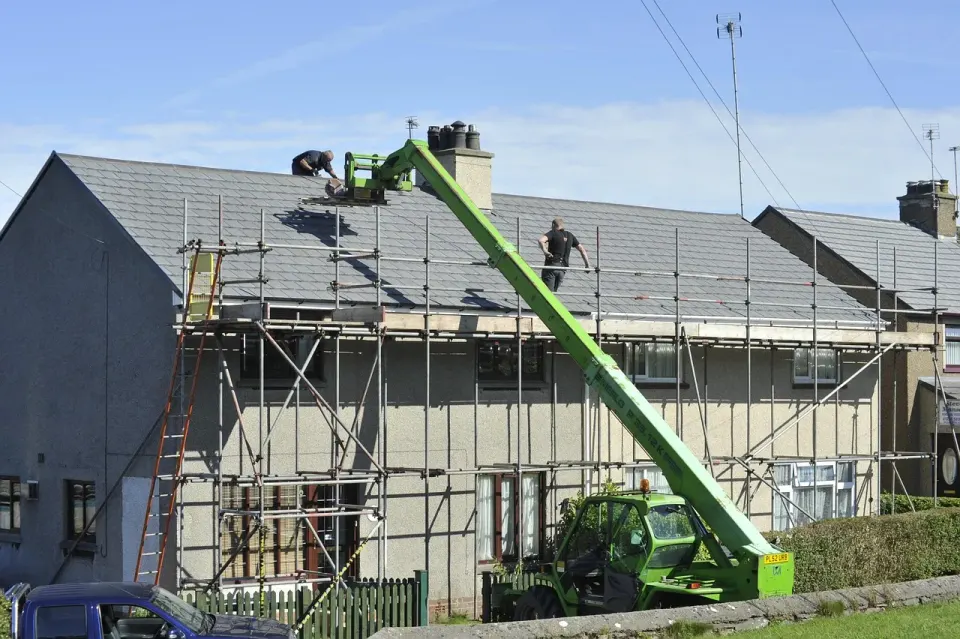
Timing matters. FEMA notes that a new flood policy typically takes up to 30 days to take effect. Buying one when a storm is in the forecast is too late. If your home is anywhere near water, or in an area with heavy rain, price a flood policy now.
Check the other gaps in your policy while you are at it. Earthquake damage is usually excluded too. Many policies in coastal states have a separate wind or hurricane deductible, often set as a percentage of the home’s insured value rather than a flat dollar amount.
Read Your Declarations Page Before You Shop
Your declarations page is the one-page summary at the front of your policy. It lists what you are paying, what is covered and for how much. Most people never read it until a claim. Reading it before you shop makes every quote easier to compare.
The list below covers the lines to check first.
- Dwelling coverage: the amount to rebuild the house itself.
- Other structures: garages, sheds and fences, often 10% of dwelling coverage.
- Personal property: your belongings, and whether they are covered at replacement cost or actual cash value.
- Loss of use: living costs if you have to move out during repairs.
- Liability: protection if someone is hurt on your property.
- Deductibles: the standard amount, plus any separate wind, hail or hurricane deductible.
Dwelling coverage is the line most often wrong. It should match the cost to rebuild your home at today’s prices, not what the house would sell for. After several years of rising construction costs, a limit set when you bought the house may be too low. Ask your agent for an updated rebuild estimate.
Replacement cost versus actual cash value matters too. Actual cash value pays what an item was worth after depreciation, which for a 10-year-old sofa or TV is very little. Replacement cost pays to buy a new one. It costs a bit more, but it is usually worth it.
A Note for Renters
Renters face the same pressures on a smaller scale. A landlord’s policy covers the building, not your belongings or your liability. If a fire or burst pipe damages your things, renters insurance is what pays.
Renters policies are still among the cheapest insurance you can buy, even with recent increases. The same rules apply: choose replacement cost for belongings, check the liability limit and shop it every year. Tenant insurance is one upfront cost in moving into a rental. Flooding is excluded from renters policies too, so tenants in flood-prone areas can buy contents-only flood coverage.
How to Lower Your Homeowners Insurance Bill
You cannot change the weather, but several steps are within your control. The steps below are listed roughly from easiest to hardest.
- Shop your policy every year with at least three insurers or an independent agent.
- Raise your deductible if you have the savings to cover it.
- Bundle home and auto insurance with one company for a discount.
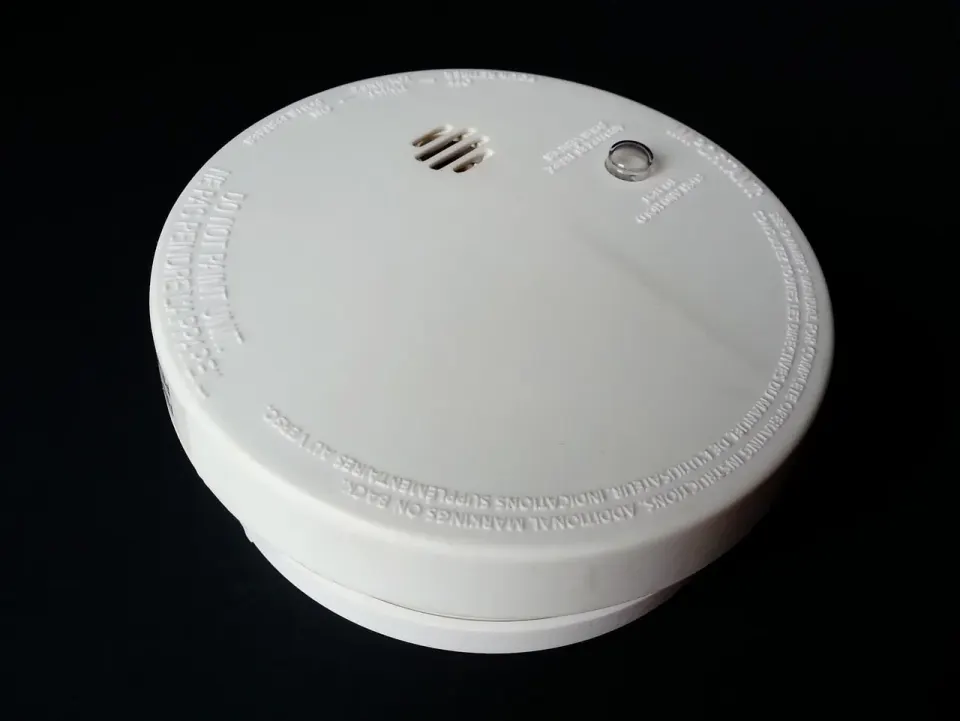
- Ask about discounts for alarms, smoke detectors and water leak sensors.
- Check that your coverage amount matches rebuilding cost, not market value.
- Replace an old roof with impact-resistant materials where storms are common.
The deductible is the biggest single lever for most people. Moving from $1,000 to $2,500 shifts small losses back onto you and often trims the premium noticeably. Only do it if you could pay that deductible tomorrow without borrowing.
Safety upgrades pay twice. Monitored smoke alarms, water shutoff valves and leak sensors often earn discounts and reduce the chance of a claim at all. A slow leak under a sink or behind a dishwasher is a common source of damage that nobody notices until it is expensive.
Budgeting for Insurance When You Buy
If you are buying a home, get an insurance quote before you make an offer, not after. In high-risk areas, the premium can change what you can afford as much as the interest rate does. Ask the seller for the current premium and claims history, and ask your agent whether the home qualifies with major insurers.
Build insurance into your monthly budget alongside taxes and utilities. A rough plan helps. Set aside the expected premium, plus enough savings to cover the deductible, plus a cushion for next year’s likely increase.
The Next Step
Pull out your declarations page and check three numbers: your premium, your deductible and your dwelling coverage limit. Then get two outside quotes before your renewal date. Compare quotes with the same coverage limits and deductibles, or the cheapest one may simply cover less. If a quote is much lower, ask what it leaves out before you switch. Kenponet keeps returning to costs owners can control.
Insurance is only one running cost. Our fall home safety checklist covers the alarms and checks that also help prevent claims, and our forecast of winter heating costs for 2026-27 covers this season’s energy bills.
Why did my homeowners insurance go up when I made no claims?
Does homeowners insurance cover flooding?
Will raising my deductible lower my homeowners insurance premium?
What should I do if my home insurance policy is not renewed?


psst, there is a letter