Property Tax Bills Are Rising in 2026: How to Check Your Assessment and Appeal
Property tax collections are up 4 percent from a year ago. Here is how to check the assessment behind your bill and appeal it if it is wrong.
Gus Abernathy Home Costs and Maintenance Writer
A property tax assessment appeal is worth filing when your assessed value is higher than what similar homes nearby would sell for. Check your assessment notice for errors, pull three to five recent comparable sales, and file before your local deadline. Appeals cost little or nothing, and a successful one lowers your bill until the next reassessment.
Property taxes are the one home cost most owners never question. The bill shows up, the escrow account absorbs it, and the mortgage payment quietly goes up. This guide is for homeowners who want to know whether their 2026 bill is fair, how to check the assessment behind it, and how a property tax assessment appeal works. It also covers the bigger federal deduction for state and local taxes that changed this year.
Kenponet covers what a home really costs to own, and property tax is usually the second-biggest line after the mortgage itself. A small change in the assessment carries forward every year until someone fixes it.
Why property tax bills keep climbing in 2026

Property tax bills are rising because home values have risen and local budgets have grown with them. The U.S. Census Bureau's Quarterly Summary of State and Local Tax Revenue for the second quarter of 2026 puts seasonally adjusted property tax collections at $212.3 billion for the quarter. That was up 4.0 percent from the same quarter of 2025.
Put a number on it for a single household. A $4,000 bill that grows 4 percent a year becomes about $4,867 in five years. That is an extra $867 a year, with no change to the house at all.
The Census Bureau figures are national totals, so your county could be well above or below that. Rates are set locally by counties, cities, school districts and special districts. Each one adds a slice to the same bill.
How your property tax bill is calculated
Your bill comes from three inputs. Get each one right and the bill is right. These are the parts to check on your assessment notice:
- Assessed value. The assessor's estimate of what your home is worth, sometimes multiplied by an assessment ratio set in state law.
- Exemptions. Amounts subtracted from the assessed value, such as a homestead, senior, veteran or disability exemption.
- Tax rate. The combined rate of every local taxing unit, often written per $1,000 of value (a "mill" is $1 per $1,000).
Here is how those pieces combine on a typical bill. The figures are a worked example, not any real county.
| Line | Example | What you can challenge |
|---|---|---|
| Assessed value | $350,000 | Yes, through an appeal |
| Homestead exemption | -$50,000 | Yes, if it is missing |
| Taxable value | $300,000 | Follows from the two above |
| Combined rate (20 mills) | 2.0% | No, only at budget hearings |
| Annual tax | $6,000 | Drops if value drops |
In that example, cutting the assessed value by $25,000 saves $500 a year. That savings repeats every year until the next reassessment. Our rule of thumb at Kenponet: if a fix would save more than $200 a year, spend the hour.
Is a property tax assessment appeal worth it?
A property tax assessment appeal is worth it when you can show the assessor got a fact wrong or valued your home above comparable sales. Most appeals cost nothing or a small filing fee. The main cost is your time. The risk is low, though in some places a review board can raise a value as well as lower it.
The strongest cases are factual errors. Look for the wrong square footage, an extra bathroom, a finished basement that is really unfinished, or a lot size that does not match your deed. These are easy to prove with a tape measure, photos or your closing documents.
Value disputes are harder but common. If three similar homes on nearby streets sold for less than your assessed value in the past year, you have a case. Condition matters too. An assessor working from records may not know your roof is at the end of its life or that the foundation has a crack.
There is one honest counterpoint. If your assessment is already below what your home would sell for, an appeal will probably fail. Some states also cap how much an assessed value can rise each year for an owner-occupied home. In those places, your taxable value may be far below market and still go up every year by the capped amount.
Step by step: how to appeal your property tax assessment

The process varies by state, but most follow the same pattern. Here are the steps in order:
- Find your deadline. It is printed on your assessment notice. Many are 30 to 45 days from the notice date. Missing it usually means waiting a full year.
- Check the property record. Pull your home's record from the assessor's website. Compare bedrooms, bathrooms, square footage and lot size to reality.
- Gather comparable sales. Choose three to five homes sold recently, nearby, of similar size, age and condition. Your county's sales records or a local agent can help.
- Document condition problems. Take dated photos and keep repair estimates for major defects.
- Ask for an informal review. Many assessors will fix a clear error by phone or email without a hearing.
- File the formal appeal. Use the official form, attach your evidence and keep a copy.
- Attend the hearing. Be brief and stick to numbers. Bring three copies of everything.
Texas is a good example of how this works in practice. The Texas Comptroller's guide to property tax protests and appeals says most owners have until May 15 or 30 days after the appraisal notice is mailed, whichever is later. Owners file with the appraisal review board, can ask for an informal conference first, and can take a loss to district court or, in some cases, arbitration.
Exemptions deserve their own check. The same Texas agency's property tax exemptions page lists a general homestead exemption, extra relief for owners 65 or older, and a local option of up to 20 percent of appraised value. Other states have their own versions. A missing exemption is often worth more than a value appeal, and it is usually fixed with a single form.
Mistakes that sink a property tax appeal
Most failed appeals lose for the same few reasons. Review boards hear hundreds of cases a season, and they decide quickly. These are the mistakes to avoid:
- Arguing about the tax rate. The board can only change your value. Complaints about the rate belong at your city or school district budget hearing.
- Using list prices instead of sales. An asking price is a wish. Boards want closed sales, ideally from the past 12 months.
- Picking comparables that are not comparable. A smaller ranch house across the highway will not persuade anyone. Match size, age, style and neighborhood as closely as you can.
- Bringing too much paper. Three strong comparables and a few photos beat a 40-page binder.
- Waiting for the bill. By the time the tax bill arrives, the appeal window for that year has often closed.
Keep a simple file for each year with the notice, your evidence and the decision. If the value creeps up again, next year's appeal takes half the time.
What a higher property tax bill does to your escrow and deductions

If you pay taxes through a mortgage escrow account, a higher bill shows up as a higher monthly payment after your lender's yearly escrow analysis. A $600 jump in annual tax adds $50 a month, plus any shortage the lender spreads over the next year. That sits on top of the principal and interest math in our breakdown of what today's mortgage rates mean for a monthly payment.
Insurance often rises in the same escrow statement. Our guide on why homeowners insurance keeps going up covers what you can do about that half of the increase.
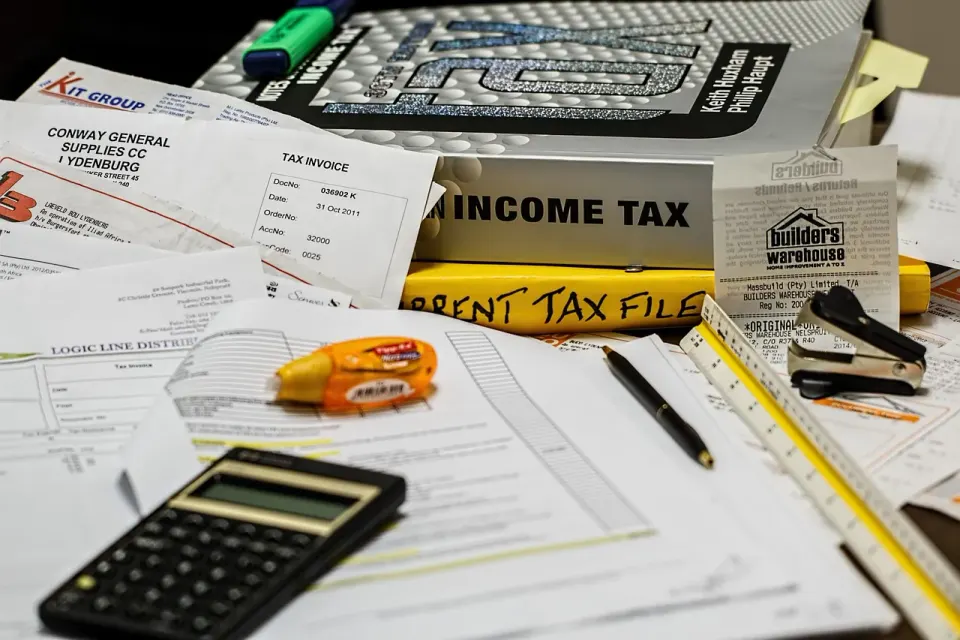
The federal tax side changed in your favor. The Internal Revenue Service (IRS) explains in Tax Topic 503 on deductible taxes that the combined deduction for state and local taxes, including real property taxes, is now limited to $40,000, or $20,000 if married filing separately. The old cap was $10,000.
The IRS instructions for Schedule A add the catch. The $40,000 limit shrinks once modified adjusted gross income passes $500,000, though it never drops below $10,000. You also have to itemize to use it. If your standard deduction is larger than your itemized total, the higher cap does nothing for you.
The bottom line on property tax appeals
Property tax bills rose about 4 percent nationally over the past year, and nothing about the system will flag an error for you. Read your next assessment notice the day it arrives. Check the facts on file, confirm your exemptions, and compare your value to recent sales of similar homes nearby.
If the numbers do not line up, file a property tax assessment appeal before the deadline. Start with an informal review, bring comparables and photos, and keep it short. While you are at it, total up the rest of your yearly costs too. Our look at winter heating costs by fuel is a good place to start on the next biggest bill.
How do I know if my property tax assessment is too high?
Can a property tax appeal raise my assessment?
When is the deadline to appeal property taxes?
Can I deduct property taxes on my federal return in 2026?



psst, there is a letter