How to Prepare Your Home for an El Niño Winter in 2026-27
NOAA expects a wet winter across the South and East Coast. Here are the cheap jobs that keep water out, and when to buy flood insurance.
Gus Abernathy Home Costs and Maintenance Writer
To prepare your home for an El Niño winter, clean gutters and extend downspouts, get the roof inspected, test your sump pump, and price flood insurance now, since policies usually take 30 days to start. NOAA's 2026-27 outlook favors a wetter winter across the South and East Coast, so water is the main risk this year.
NOAA released its U.S. Winter Outlook on October 15, and the headline is a very strong El Niño. This guide is for homeowners and small landlords who want to know what that forecast means for a house, which jobs to do before December, and what each one costs compared with the damage it prevents. Renters can use the same list to flag problems to a landlord early.
Kenponet covers maintenance with a simple rule: put a number on the risk, then decide whether it is worth the money. In a wet winter, most of the cheap jobs are about moving water away from the house.
What does an El Niño winter mean for your home?

For most of the southern U.S. and the East Coast, an El Niño winter means more rain and more storms. That puts gutters, roofs, basements and drainage under extra strain. In the northern states it more often means a milder winter, which can lower heating bills but still brings cold snaps and wet spells.
The National Oceanic and Atmospheric Administration (NOAA) laid this out in its 2026-27 U.S. Winter Outlook, covering December 2026 to February 2027. It favors wetter-than-average conditions across the southern tier, from the Southwest to the Southeast, and along the East Coast. NOAA also expects drought to improve or end in the Southwest, Southern Great Plains, Southeast and parts of the East Coast.
That last point is a mixed blessing for a house. Ken Graham, director of NOAA's National Weather Service, warned in the release that heavy rain on dry soil can fuel flash floods and mudslides. Hard, dry ground sheds water instead of soaking it up, so the first big storms tend to cause the most runoff.
A forecast is a set of odds, not a promise. NOAA's outlook gives the likelihood of above- or below-average rain, not the size of any one storm. A dry winter in your town is still possible. But the jobs below are cheap enough to do on the odds alone.
Start with gutters and drainage
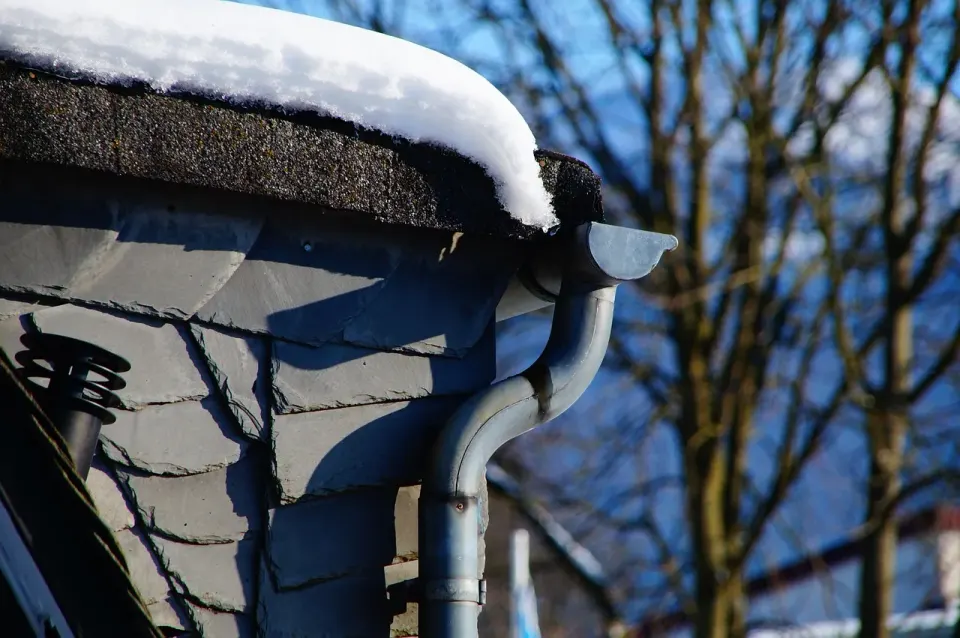
Gutters are the cheapest El Niño winter prep with the biggest payoff. A roof sheds a lot of water. One inch of rain on a 1,500-square-foot roof is about 935 gallons, and all of it lands within a few feet of your foundation unless something carries it away.
The U.S. Environmental Protection Agency (EPA) lists cleaning and repairing roof gutters among its basic steps in its guide to mold, moisture and your home, because water near the foundation ends up inside. These are the drainage jobs worth doing before December:
- Clear leaves and grit from gutters and flush each downspout with a hose.
- Add downspout extensions so water lands at least 4 feet from the foundation. Plastic or metal extensions are inexpensive at any hardware store.
- Check that soil slopes away from the house, not toward it.
- Clear storm drains and culverts near your driveway.
- Look for gutter sections that sag or pull away from the fascia.
A professional gutter cleaning on a typical one-story house usually costs a few hundred dollars or less. Compare that with a wet basement, where drying and repairs easily reach the thousands. The math is not close.
Check the roof before the first big storm
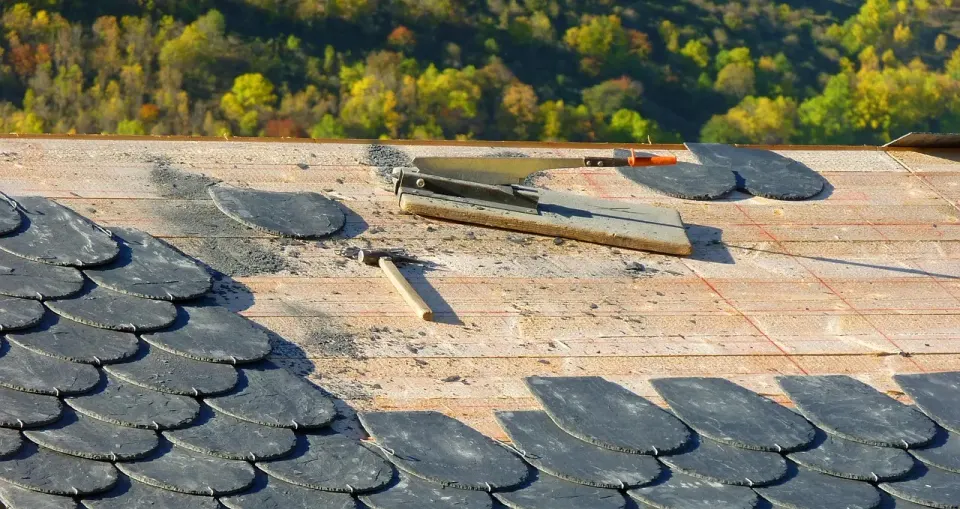
A roof that survived a dry year can still fail in a wet one. Small problems like a lifted shingle, cracked flashing around a chimney, or a worn boot around a vent pipe let water in slowly. In a long rainy stretch, slow leaks turn into stained ceilings and wet insulation.
You can do a first pass from the ground with binoculars. Look for missing or curled shingles, granules piling up at the bottom of downspouts, and gaps in metal flashing. Inside, check the attic on a sunny day for pinholes of daylight and dark stains on the roof deck.
If you find anything, get it fixed now. Roofers book up fast once the rain starts, and emergency rates cost more. Our look at why delaying home repairs costs more runs the numbers on how a small fix grows when it waits a season. The same timing logic applies to the rest of your fall home safety checklist.
Flood insurance: why the 30-day clock matters

Standard homeowners insurance does not cover flood damage, and that surprises many owners. The Federal Emergency Management Agency (FEMA) says on its flood insurance page that most homeowners policies exclude flooding. It adds that a National Flood Insurance Program (NFIP) policy typically has a 30-day waiting period before it takes effect.
That waiting period is why timing matters. A policy bought in late November starts around late December, when NOAA's wetter season is already underway. If you are in or near a flood zone, or your area has flooded before, get a quote this month.
There are exceptions to the 30-day rule. FEMA says the wait can be waived when a lender requires the coverage as part of a loan, or when a flood map change puts you in a higher-risk zone. Private flood insurers may have different waiting periods, so ask.
Flood is not the only coverage worth reviewing. Our guide to why homeowners insurance keeps going up covers how to check your deductible and water-damage limits before you need them.
Basement and sump pump checks
If your home has a basement or crawl space, the sump pump is the last line of defense. The government's Ready.gov flood preparedness guide suggests a sump pump with a battery backup, since storms that bring heavy rain often knock out power too.
Test the pump by pouring a bucket of water into the pit until the float rises. It should switch on, empty the pit and shut off on its own. Check that the discharge line runs well away from the house and is not blocked. A battery backup unit costs a few hundred dollars installed, which is less than most insurance deductibles.
Move valuables, paperwork and anything you cannot replace off the basement floor. Plastic bins on shelves are cheap insurance against a few inches of water.
If water gets in, dry it within 48 hours
The clock starts the moment water gets in. The EPA says drying wet materials within 24 to 48 hours of a leak usually prevents mold growth. Run fans and a dehumidifier, pull up wet rugs, and open walls if insulation is soaked.
The EPA also notes that a homeowner can usually handle mold covering less than about 10 square feet. Larger areas, or mold after heavy water damage, call for a professional. Take photos before you clean up, because your insurer will want them.
If you only have one weekend, do these first
Not every job needs to happen at once. At Kenponet, we rank winter prep by how much damage a job prevents for each dollar and hour it takes. Here is how the main tasks compare:
| Job | Time | Who | Priority |
|---|---|---|---|
| Clean gutters and add downspout extensions | 2 to 4 hours | DIY or pro | Highest |
| Test the sump pump | 15 minutes | DIY | Highest if you have a basement |
| Get a flood insurance quote | 30 minutes | Agent or online | High in flood-prone areas |
| Roof check from the ground and attic | 1 hour | DIY, then a roofer if needed | High |
| Regrade soil near the foundation | A weekend | DIY or landscaper | Medium |
Start at the top and work down. The first two rows take an afternoon and handle most of the water that ends up in basements.
A milder winter up north still needs attention
NOAA favors warmer-than-average temperatures across the Pacific Northwest, Midwest, Mississippi Valley and much of the East. That can mean smaller heating bills; our estimate of winter heating costs for 2026-27 shows what to expect by fuel type. A warm winter still brings cold snaps, so do not skip pipe insulation or furnace service.
The short list for this winter
NOAA's El Niño outlook tilts the odds toward a wet winter across the South and East Coast and a milder one up north. In both cases, the best way to prepare your home for an El Niño winter is to manage water: clean gutters, extend downspouts, fix the roof, and test the sump pump.
Do the cheap drainage jobs this weekend. Then decide on flood insurance before mid-November, while the 30-day wait still ends before the wettest months. A few hundred dollars now is the best deal you will see on home repairs all year.
What does NOAA's 2026-27 winter outlook predict?
Does homeowners insurance cover flooding from heavy rain?
How long does it take for flood insurance to start?
How fast do I need to dry a leak to avoid mold?


psst, there is a letter