Why Delaying Home Repairs Costs More in 2026, and How to Budget for Them
Materials, labor and service calls are all pricier than a year ago. Here is what to fix first, what to budget and how to avoid a $6,000 surprise.
Gus Abernathy Home Costs and Maintenance Writer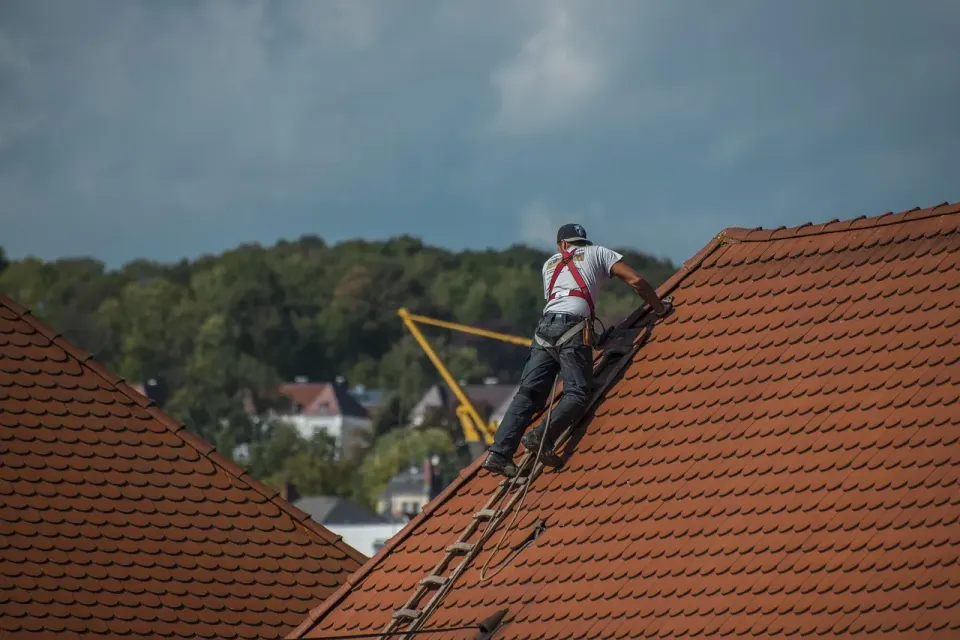
Putting off a home repair usually costs more in 2026, because materials, labor and service calls have all gone up. A small fix such as clearing a gutter can turn into thousands of dollars of water damage. Set aside 1 to 3 percent of your home's price each year, and handle water, safety and heating problems first.
This guide is for homeowners who are weighing what to fix now and what can wait. It covers why prices are rising, which repairs carry the biggest risk if delayed, and how to build a repair budget. Kenponet looks at what a home really costs to keep, and repairs are the cost most owners underestimate until a bill arrives.
Why Are Home Repairs More Expensive in 2026?
Three forces are pushing prices up together. Materials cost more, skilled labor is short, and service calls carry higher minimums. A syndicated report from TheZebra.com, published in October 2026, cites several of these numbers.
On materials, the report cites the National Association of Home Builders, which found builders saw a median 6.7 percent rise in material costs over the prior 12 months. Tariffs on steel and aluminum rose to 50 percent in 2025, and some copper imports faced the same rate.
On labor, nearly 90 percent of contractors told the Associated General Contractors they struggle to find qualified tradespeople. The report adds that wages for specialty trade contractors rose about 5 percent between May 2025 and April 2026, according to the Bureau of Labor Statistics.
A May 2026 MoneyLion piece quotes real estate professionals who say service calls that once cost about $150 now run $250 to $300. It also says a new HVAC system can start at $10,000. These are individual estimates, not a price index, so treat them as ballpark figures.

What Happens When You Put a Repair Off?
Most home damage grows. A small leak soaks insulation, rots wood and feeds mold. A cracked shingle lets water reach the decking. The longer it runs, the larger the repair.
The TheZebra.com report describes a tile roof with a clogged valley that led to about $6,300 in repairs, covering decking, flashing and drywall. The article's own itemized figures add up to a bit more than that total, so read the number as an illustration, not a quote. The lesson holds anyway: cleaning leaves is cheap, and rebuilding a roof edge is not.
The ConsumerAffairs survey cited there found that 67 percent of homeowners who waited ended up paying more. It also found the average home still needs nearly $3,200 in repairs. Those figures come from the report, not from a federal data set, so they are best used as a rough guide.
Kenponet editors see a pattern in home-cost data: the repairs that grow fastest all involve water, heat or electricity. That is a good filter for deciding what cannot wait.
Which Repairs Should You Do First?
Rank repairs by what they can destroy. Start with anything that lets water in, then safety items, then heating, then comfort and cosmetic work. The order below is a sensible default:
- Roof leaks, missing shingles and failed flashing.
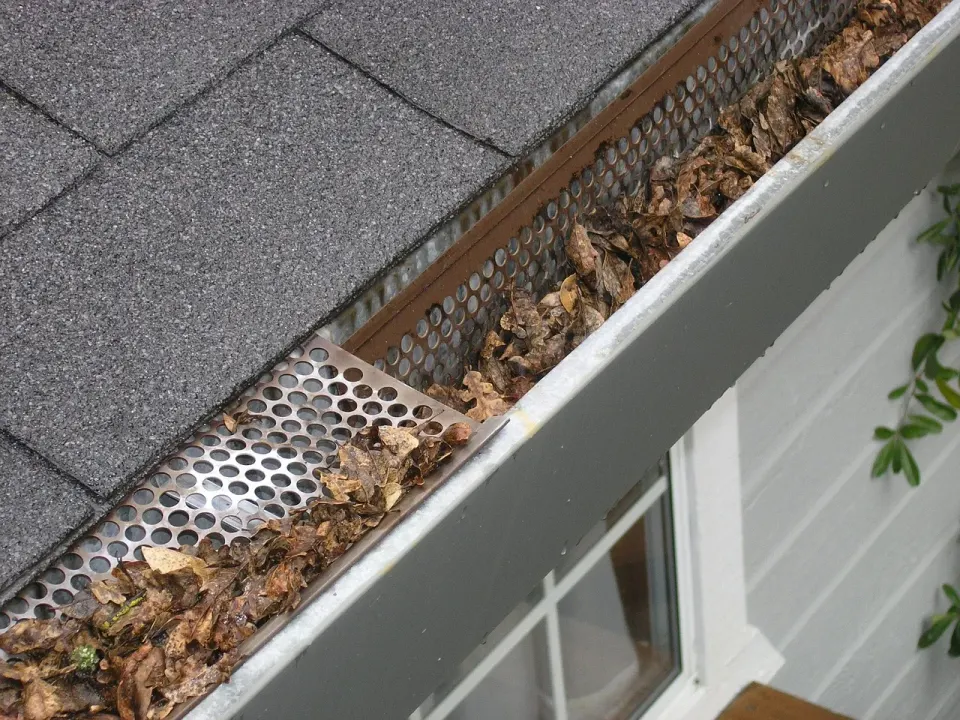
- Clogged or sagging gutters and downspouts that dump water near the foundation.
- Plumbing leaks, including slow drips under sinks and around water heaters.
- Smoke and carbon monoxide alarms, and any electrical problem such as warm outlets.
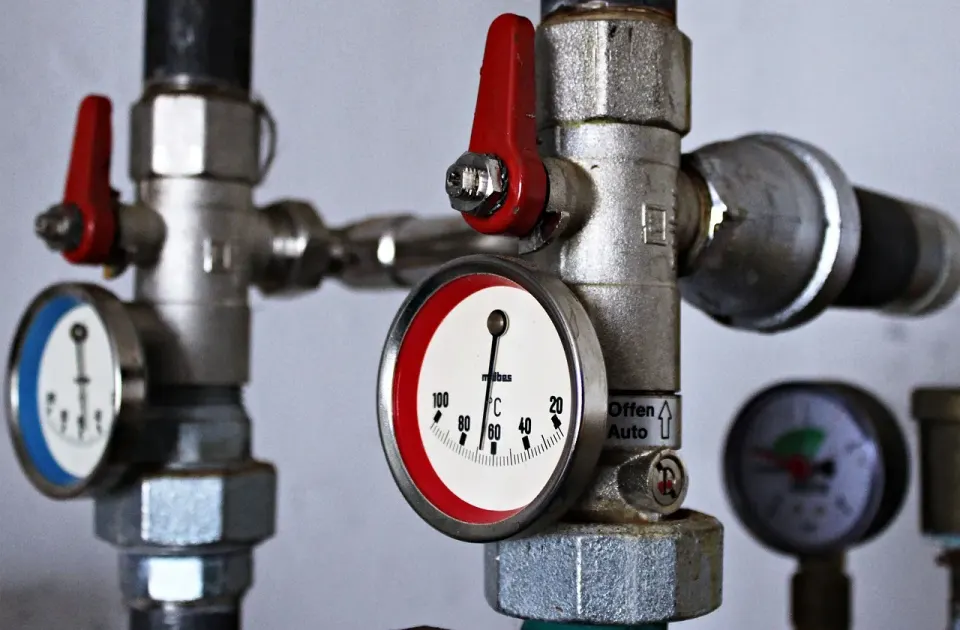
- Furnace or boiler service before the heating season.
- Siding, windows and exterior gaps that let in air and pests.
- Cosmetic work such as paint and flooring.
Our fall home safety checklist covers smoke alarms, carbon monoxide, heating and radon in more detail. It is a good place to start before cold weather arrives.
How Long Do Major Home Systems Last?
Age helps you plan, even though condition matters more. The TheZebra.com report lists typical lifespans with proper maintenance. Use them to forecast when big bills may arrive:
| System | Typical lifespan | Planning note |
|---|---|---|
| Water heater | 6 to 12 years | Flush yearly; replace before it leaks |
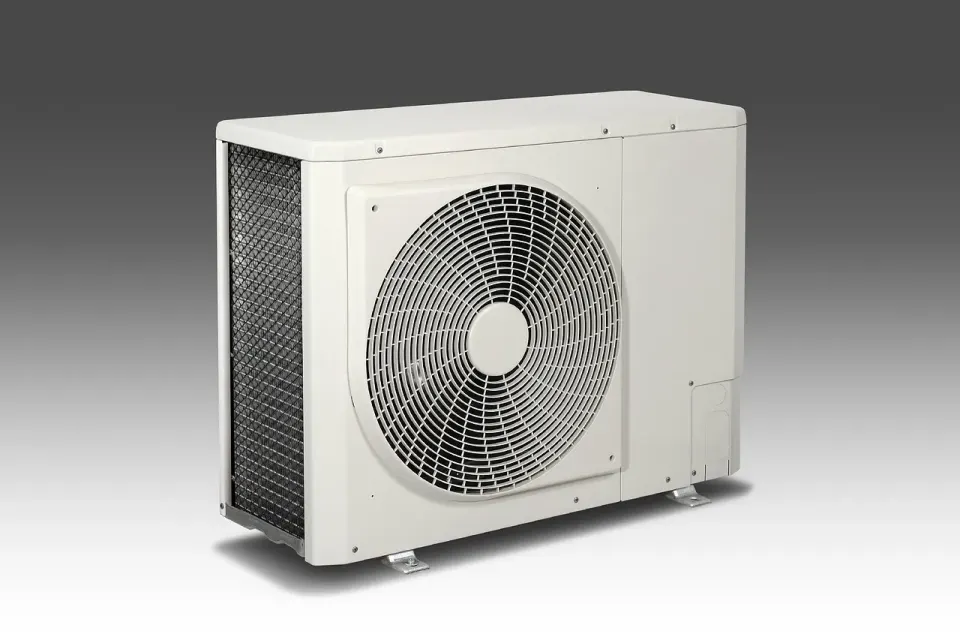
| Central air conditioning | 7 to 15 years | Service once or twice a year |
| Asphalt shingle roof | 15 to 20 years | Inspect after storms |
| Furnace | 15 to 25 years | Service every fall |
| Gutters | 20 to 40 years | Clean at least twice a year |
A 23-year-old furnace that still runs well may be worth replacing on your schedule instead of in an emergency, since prices are expected to climb. The U.S. Department of Energy's home energy checklist advises professional maintenance each year for a furnace or heat pump. Another DOE guide says regular maintenance can cut heating and cooling costs by 10 percent or more and prolong equipment life.
Which Jobs Can You Do Yourself?
Some upkeep needs only a ladder and a free afternoon. Cleaning gutters, replacing furnace filters, testing alarms and sealing small gaps around windows are all realistic. The Department of Energy's guidance says filters should be checked and cleaned monthly or as the manual directs.
Know where to stop. Roof work at height, gas appliances, electrical panels and anything involving structural framing are jobs for licensed pros. A fall from a ladder can cost more than any repair bill, so do not climb onto a steep or wet roof.
A good split is simple. Do the monthly and seasonal checks yourself, and hire out the annual inspections. That way you spot trouble early and pay a professional only when expertise matters.
How Do You Get Fair Quotes in a Tight Labor Market?
Contractors are busy, so start early. Ask for at least three written quotes for any job above a few hundred dollars. Compare scope, materials and warranty, not just the total.
Check each contractor's license and insurance in your state. Ask for references and look at recent work. Never pay the full price up front, and be wary of anyone who pressures you to decide on the spot after a storm.
Off-season scheduling can save money. Roofers and HVAC firms are often busiest in summer and during cold snaps. Booking a furnace tune-up in early fall, or a roof inspection in a quiet month, tends to get you faster service.
Bundle small jobs when you can. A single visit to clear gutters, check flashing and inspect the attic costs less than three separate trips, especially when each call carries a $250 minimum.
How Much Should You Budget for Repairs Each Year?
A common guideline is to set aside 1 to 3 percent of your home's purchase price each year. MoneyLion quotes a real estate professional recommending that range. On a $350,000 home, that is $3,500 to $10,500 a year, or about $290 to $875 a month.
Where you land in the range depends on the home. A newer house with a recent roof and HVAC can sit near 1 percent. An older house with original systems belongs near 3 percent. Keep the money in a separate account, so it is not spent on other goals.
Track your own numbers too. A simple spreadsheet of every repair and utility bill shows what your house actually costs. After two years, you can replace the rule of thumb with real data.
Heating is one of the biggest line items. Our look at what to expect to pay by fuel this winter will help you size that part of the budget.
How Does Maintenance Affect Your Insurance?
Insurers care about upkeep. The syndicated report quotes the Insurance Information Institute saying neglected maintenance may be treated as preventable instead of covered, and that it can make coverage harder to obtain or renew. A claim for damage that a routine repair would have stopped may be denied.
There is also a possible upside. The MoneyLion piece says insurers often offer a 10 to 30 percent premium discount for a new roof. Terms vary by insurer and state, so ask yours before you assume a discount.
Keep invoices, photos and inspection notes. They prove you maintained the home, and they help if you need to file. Our guide to why homeowners insurance keeps going up explains what drives premiums and how to lower them.

If a full list feels overwhelming, start small. Pick one weekend this month, walk the outside of your house with a notepad and photograph anything that looks off. Then rank each item by the damage it could cause, and book the top two. A written list turns a vague worry into a plan with dates and dollar amounts.
Conclusion
Repairs cost more in 2026, and waiting usually adds to the bill. Fix water problems first, then safety, then heating, and keep a repair fund of 1 to 3 percent of your home's price each year. Inspect the roof and gutters this fall, book the furnace service now and keep every record.
How much should I budget for home repairs each year?
Which home repairs should I not put off?
How long do major home systems last?
Can neglected maintenance affect my homeowners insurance?


psst, there is a letter